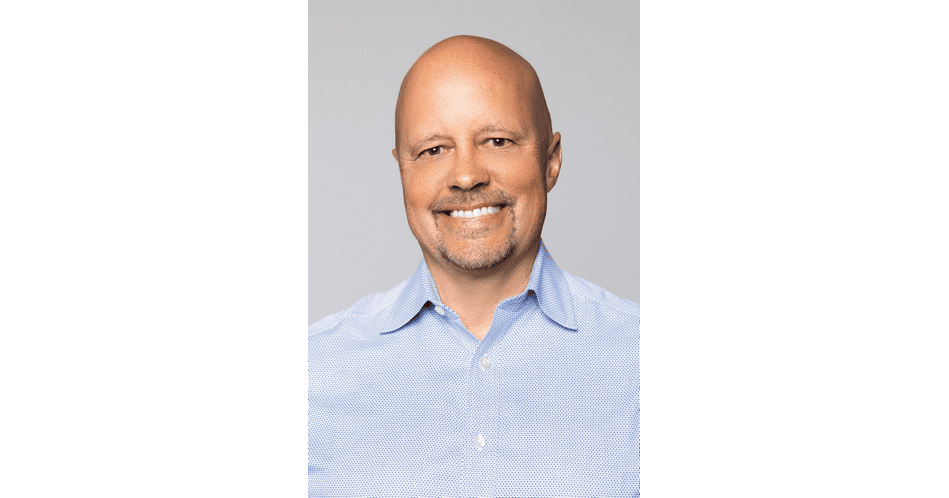
Craig Bealmear, CFO Oklo
Concepts discussed
Auto-linked from the episode's notes and transcript.
Show notes
Oklo is rapidly becoming a household name, at least among households with members who pay attention to energy industry developments and/or the headliners in the financial press.
Oklo is in the process of designing and permitting a family of small modular reactors that it plans to own and operate to produce electricity, heat and isotopes that it will sell to its end customers under long term power purchase agreements (PPA).
The specific type of SMR that Oklo has chosen as the one with the best chance to economically meet its needs as a power and heat producer – over the long haul – is a liquid sodium cooled, fast neutron reactor designed to closely match the features and performance of the Experimental Breeder Reactor II (EBR-II). That impressively successful demonstration reactor, which produced about 20 MWe, ran reliably for 30 years (1964-1994).
Oklo has stated that it intends to produce 15, 50 and 75 MWe versions of the system in order to best meet the needs of the customers it is aiming to serve.
An integral part of the Oklo vision is to recycle used nuclear fuel, the material that is often referred to as spent nuclear fuel or even “nuclear waste.” The fact that the material still contains about 90-95% of its initial potential energy is finally becoming common knowledge. Oklo believes that fast spectrum reactors are the technology that is best suited for converting used fuel materials into useful energy, and it also believes that affordably recycling fuel is essential to meeting its long term economic projections.

_Architectural rendering of an Oklo Powerhouse – Used with permission from Oklo_
Part of Oklo’s business model is focusing on community acceptance for its powerhouses. They are designed to be aesthetically pleasing to the point where Oklo powerhouse images are often used to illustrate articles about advanced nuclear energy that focus on other companies. The company has talked about designing the stations to be community gathering places and also talked about beneficially using waste heat for purposes like heating swimming pools or district heating systems.
For Atomic Show #338, I spoke with Craig Bealmear, Oklo’s Chief Financial Officer (CFO). Craig described his 30-year background in the energy industry, mostly working in finance and accounting for BP. He spent most of his career in their marketing arm selling gasoline, diesel and jet fuel to large customers, but also ran several commercial enterprises within the company.
We discussed Oklo’s experience as one of three publicly traded pure plays in advanced nuclear energy during a period when excitement about nuclear energy hit an inflection point and dramatically increased demand for a commodity in very short supply. (Note: The supply of publicly traded pure plays in nuclear has recently doubled, creating a situation that is testing the strength of the demand for those companies.)
We spoke about the company’s vision, its business model and the way that its business model drove the selection of liquid metal fast spectrum reactors. Oklo’s founders – Jake and Caroline DeWitt – were attracted to their ability to operate at near atmospheric pressure while achieving high enough temperatures to create steam at the conditions used by modern Rankine Cycle steam plants. They believed that characteristic, along with the impressive results of EBR-II passive safety tests, will allow them to reduce the portion of their systems that are classified as safety-related. Sodium has been proven to be chemically compatible with stainless steel over a long period of high temperature operation, a characteristic with cost reduction potential.
Of course, we also had to talk about the design and operating provisions needed to mitigate and minimize the impact of sodium’s well known chemical reactions with water and moist air. That characteristic requires almost as much attention to keeping the primary coolant system leak tight and reliably separated from the clean steam site of the plant as has always been invested in pressurized water reactors. Low pressures make fabrication of the primary coolant pressure boundary for sodium cooled reactors a little less challenging than it is for very high pressure water.
Early in its development, Oklo invested a substantial amount of time recovering data from the EBR-II and the Fast Flux Test Facility. Craig and I talked about the value that quality testing and design data and how Oklo’s investment in organizing, understanding and using that data gives it a valuable head start compared to others who also have access to the government’s results.
During its decade+ period of operation, Oklo has developed strong relations with the Department of Energy and its national labs. It has recently announced several partnerships with others that are interested in fuel recycling, uranium enrichment and fast spectrum/liquid metal cooled reactors. It is interested in the potential for supplying – or buying – materials and components when it is mutually beneficial.
As the CFO, Craig is working to mitigate some of the concerns he has with the “asset-intensive” nature of Oklo’s build, own and operate business model. We talked about several paths that Oklo might pursue to reduce the capital requirements.
Though Oklo has been interacting with the Nuclear Regulatory Commission since 2016, it is planning to take advantage of a recently reinvigorated capability for the Department of Energy to authorize the construction, operation and testing of pilot reactors. We spoke about DOE authorization as an interim step that can speed the process while enabling a later relicensing by the NRC for commercial operation. Oklo’s long term plan is to use repeated COLs under Part 52 with reactors manufactured under a manufacturing license.
We also talked about Atomic Alchemy and how the acquisition of that company fits Oklo’s future plans.
Counting Atomic Alchemy’s VIPER reactor, Oklo has three reactors in the DOE’s recently announced Reactor Pilot Program. The other two are Aurora-INL and Pluto. Aurora-INL is a 15 MWe version of Oklo’s powerhouse design while VIPER is a reactor that is optimized to produce high-demand isotopes. Very little information has been released about Pluto, but the project name offers a hint about one of its major design characteristics.
The company is actively pursuing all three reactor projects, but they intend to push hardest on one of the three to achieve critical operations by July 4, 2026. Kiewit is serving as the engineering, procurement and construction contractor for the Aurora-INL project.
One of the final topics we discussed was the company’s employee base. Oklo employs more than 200 people and has 45 openings listed on its job board. Either Jake or Caroline interviews every potential hire before they are added to the team.
We ran out of time before we could discuss topics like the manufacturing facility plans, the current progress of recycling efforts or the politics involved in moving the US away from the 50-year old de facto policy of avoiding fuel recycling.
Disclosure: My wife and I have a small position in Oklo. As Nov 19, 2025, It represents less than 1% of our net worth.
Transcript
Read transcript
There's a way, way such a better way today, today. The measure boys tell the world there's a better way, today there's a better way. This is Rod Adams and it's time for another Atomic Show. My guest today is Craig Billner, who is the Chief Financial Officer for OCLO. Most of you have heard of OCLO and it is a fast spectrum, sodium cool reactor designer. And it wants to be an owner, operator and fuel recycler as well. Craig, welcome to the show. Thank you, it's a pleasure to be here. Craig, when people or companies like OCLO are founded by people who have a mission in life, have a desire and are willing to put in the time and the effort. In this case, it's been about a dozen years since OCLO was founded. What is the mission? What is driving the people who have come together to try to pursue what OCLO is doing? Yeah, so we are a founder led company Jake DeWitt and Carolyn Cochran, did start OCLO over 10 years ago. And really it was with the mission then, is the mission now, which is to provide clean, reliable and affordable energy at a global scale to our customers. I think we are also very purpose driven and trying to maybe break the mold around what nuclear has done in the past. And we feel like we are doing that through our business model, which you mentioned, which is to build own and operate powerhouses and then sell that power through 20 plus year power purchase agreements. We think our technology of, first of all, basing it on an asset called the experimental breeder reactor two, which had a 30 year clean affordable reliable safe operating track record, using liquid metal sodium as the coolant. And a fast reactor metal fuel technology, we think leveraging an asset that with that sort of track record is unique. And we talk about what we're doing as, as delivering a product to our customer, which is the power and delivering that product through 75, 50 and 15 megawatt size offerings. Most of our order book now is in that 75 megawatt space. But I even think the fact that we think about our business is delivering a product to the customer is quite important. And maybe last but not least, we are exploring the ability to our powerhouses can run on fresh high assay low enriched uranium or recycled fuel. In fact, our first powerhouse in Idaho will run on recycled fuel that ran in the experimental breeder reactor two asset. And so the fact that we feel like we can take spit nuclear fuel and reuse the exist reuse that fuel and leverage the existing fuel content. So really, it has a sustainability angle to our business as well. Now what made you choose the sodium cool fast reactor as the technology to thought was going to give you the ability to do the mission that you've stated. Yeah, so what I think when most people here nuclear they think light water reactors. What we like about using liquid metal sodium as our sometimes I'll say coolant sometimes I'll say heat transfer agent is, you know, it allows us to operate at atmospheric pressure. It allows us to produce a steam at a high temperature and I can get into why that's important in a second. We have a lot of safe passive safety characteristics in our design. And again, we actually base our design on two powerhouses I've mentioned one, which is the experimental breeder reactor two, which operated for 30 years in Idaho. Another facility called the fast flux test facility, which operated in the state of Washington also for around that same duration. So we think it's important that we're leveraging an existing technology there's over 400 operating years around liquid metal sodium fast reactors. And so we think that's important that we're taking an existing technology and then trying to apply that to use cases across business centers. The United States military is a customer. We have industrial customers and we have oil and gas customers. And while it's early days we are having some conversations with utilities as well. You sound like a pretty technically confident person for a key financial officer. Have you got along background in nuclear as you get this knowledge? Well, my background is in finance strategy and accounting. I worked in the energy business for BP for 28 years, predominantly in the refining and marketing bit of the business, making and selling gasoline jet and diesel. I did run some commercial businesses for BP as well, including their European asphalt business. And I've also worked in the bio fuel sector. So if anything, I think the fact that I've spent 30 years in the energy sector, maybe I've learned how to apply that knowledge to nuclear. But it's really exciting to be applying that knowledge to nuclear. I would also say that we've got a lot of bright people working in Oklahoma and all starts with our co-founders Jake DeWitt and Carolyn Cochran. And they've done a good job of educating me on nuclear and educating me on the business as well. You mentioned that you were going to come back to the topic of why high temperatures are important. And the same thing that we can't really do provide higher temperatures and create higher pressure steam. What's so important about that? Well, I think, you know, you've already mentioned the fact that we're going to build these powerhouses. So we've got to generate a return on that investment. And so the fact that we can operate at atmospheric pressure means that we don't need a lot of we need less nuclear specific, highly specialized equipment. We've got to operate at pressure. All things being equal. The cost of those components are going to go up. The fact that we produce a high temperature steam means we can buy existing steam turbine generators that are already manufactured today, rather than having something purpose built for our facilities. We've already signed a preferred supplier arrangement with Siemens energy who will be our supplier of steam turbine generators. We love the fact that we can have Siemens energy as a partner. We love the fact that we can buy something that they already produce. And our business model is such that we want powerhouse. 10 to look like powerhouse one. And the fact that we're using liquid metal sodium means that we can have that tightness in our design or our asset footprint, which means the more steam turbine generators that we buy from Siemens, you know, we've been able to do some things commercially to have those prices go down over time or as we buy more units. And the passive safety feature is and the EVR to asset did experiments to prove this out that essentially if you ever were in an over energized situation, what would shut down that reactors, our reactor vessel has exposure to air and air would force its way into the reactor column and slow down and shut down that reactor. So, I think water reactor does the same thing because it's all about heat transfer by putting more water into the reactor and that's why you need backup pumps and other vessels and EVR to actually did experiments in the 1980s to prove out that specific passive safety characteristics. Our design is got safety benefits, it's got operating benefits and it's got supply chain benefits that we look forward to leveraging as we deployed more and more powerhouses. How do you address the questions that any of us have taken high school chemistry come up with in having seen the famous high school experiment of dropping a little bit of sodium into water and having it vigorously react. How do you address the questions what protects you from this fires and little burst of explosions that may happen once the ODM comes in contact with water. Well, I think you're right that it all has to come down to safety and we'll ensure that nothing ever sacrifices safety, but you know our sodium will be in a closed loop system and you know we're designing it to ensure that safety occurs. I think the other thing that gives us confidence is the fact that we are not trying to design something new the fact that we are. You know taking that design footprint and operating track record of the experimental brea reactor to and the fast flux test facility and incorporate into our design, I think we think is also. You know something that we're we think is very important to leverage and that's what we're intending to do the EVR to. Started operating in 1964 and operated to 1994 knowing a little bit about the technology of the time, particularly the information technologies time. How are you able to obtain reliable credible QA quality data from the papers and scams and everything else that may have been tape machines and all that kind of archives. And we're able to get that material. It's a really great question and I'll say I wasn't able to do that, but we know at the start of Oklahoma, you know the first group of engineers that we brought into the company. A lot of our work was rolling up our sleeves, you know the data was there as you've already alluded to it was in a variety of medium if you will, but we've you know rolled up our sleeves and put that data. You know into a usable form so that it can be incorporated into things like our. NRC permit application information that you're using from EVR to is US government paid for US government owned. Perhaps available to the public, but what is it that keeps gives you the ability to prevent others from using something similar and competing with you. I think you know time is an important part of distinctiveness that we've been as we stated at the start of this interview, you know we've been at this for over a decade and I would say it's, you know it's the data and then what you do to use that data to apply to your business that I think is a. Good example of you know know how that we have it's it's hard to you know catch up time. I think the quality of the people that we bring on board and I think another thing that we've done as a company is you know we are. Constantly trying to find ways to work in partnership, you know with the Department of Energy with the nuclear regulatory commission so a lot of the work that we're doing on fuel recycling for example. We're doing that in conjunction with the DOE at places like Argonne national labs and at Idaho national labs and so I think that approach to partnership is also quite important now, you know never take. Always take your competitors seriously and we do but also I think we feel good about you know the caliber of our business model but more importantly the caliber of our people. Are you worried about having too much competition in this business. I think you always need to be mindful of your competition, but I was actually on a panel this week at an investor conference with. I say both a mix of suppliers and competitors and I think one thing that you know I'm mindful of it the moment is you know the things that we are trying. figure out around regulatory approval, fuel availability, supply chain access. I think there are things we are all trying to figure out. And so I think there is maybe even an element of partnership as well that's important with what we're trying to do. Always making sure that you're partnering in the right way with the right boundaries around that. For example, we've signed some partnerships recently with some European companies. Blue Cola is one, new Clio is another that they are all in the, you know, some combination of fast reactor metallic fuel space. And we think that there's things that we can do with those companies in partnership where we're trying to, in a sense, figure out the same problems. Well, you mentioned that you're from the oil and gas business and talked about marketing gasoline and diesel fuel. And it's pretty obvious to me that those products are much more available than somebody long ago came up with some standards and said, this is what gasoline means. And this is what diesel fuel means. And you can put somebody's gasoline into anybody's gasoline engine. Are you working on things like that for nuclear fuel? Well, I would say that, you know, the work that we're doing around fuel and around recycled fuel and high-assay low-end rich uranium, you know, that we believe that, you know, if you're using liquid metal sodium fast reactor technology, there's the possibility that as we grow out our fuel supply chain that, you know, while our internal powerhouses will be more likely than not the primary customer for that fuel, they may not be the only customer for that fuel. So terra power is an example of a company that is also, you know, using liquid metal sodium and using halo. So it's possible that, you know, if there's another company out there that can use our fuel, we'll want to make sure that we're thinking about the potential external customer while we're also thinking about the internal customer as well. What is it, led ochle to the model of designing, building, owning and operating powerhouses and just so in electricity and heat? Yeah. So when when Jake and Carolyn were starting the company and thinking about the company, and this is actually one of the things that got me so excited about joining ochle in 2023 is when they talked about the company and I knew I was talking to a couple of nuclear engineers from MIT, they really didn't talk about the company from an engineering forward point of view. They actually predominantly talked about the company from a customer back point of view and it was really as they said back and looked at the opportunity set and I think the opportunity set is only grown since the time that they started the company. It's like, well, these customers really, they don't want to own and operate a nuclear power plant. They really want the clean, affordable, reliable power that we can deliver through those powerhouses. And so it was really about making sure we've got a product and an offer that that meets a market need. Now from that, I think we've also tried to make sure that we're providing assets that are at a size point that can provide the amount of electricity or the amount of power that those customers need. Now I've already said this once, but I guess it's the CFO. So I'll repeat it. We do know that we're going to be asset intensive through that build on an operate model. So we're already thinking about how over time to take cost out of the asset and produce our time to deployment so that we can make sure that we're generating appropriate level asset level returns which should then translate into the right level of returns for our shareholders. It occurs to me having watched this space for a long time. A company that is designing power plants or powerhouses that they want to own and operate may make different design choices than a company that is a vendor on the old model where selling repeat services, fuels and spare parts is actually a major income screen. Right. Do you understand what I'm asking? Yes. Yeah, I think that we're not seeing as a source of value that hey, we could sell this powerhouse to somebody else and get an amazing service contract on the back end. We know that the way we're going to create value is bringing down time to deployment and cost to deployment. There is an element of the more that we can operate at a higher asset utilization and have more days where you're providing power on a 24-7 basis. That's the other way that we think we can also create the right level asset returns. That being said, we are going to have pieces of equipment where we will need maintenance and service. We do think through our procurement strategy, making sure that we're being mindful of that as well. Are you investigating ways of mobilizing your power output? In other words, your power demand, some companies are putting in storage so they can flex and put power away when nobody wants it and then sell it when people really do want it. By low and sell high or you're looking at maybe other ways to use power during lows and electricity demand so you can maybe create some fresh water or something. What's your strategy for increasing your duty cycle? I think our strategy is predominantly focused on one, making sure we're putting powerhouses at a size point that the customer that if we operate at 24-7, the data center customer or the industrial customer or the oil and gas customer can also use that power on a 24-7 basis. That's especially going to be important if it's a behind the meter solution for that customer. That being said, we're also exploring some potential projects where we might be in front of the meter. In other words, connected to the grid and the grid will deliver that power to the end customer. In that case, we would have a sense of the long-term off-taker, which is the customer. Then if there is spot power that the customer doesn't need that we would then at least have the optionality or the flexibility to put that on the grid more likely than not in a spot price. I think it's also why maybe one of the things our data center customers like about our size footprint is the overall demand at the data center campus is quite large, but that demand does not manifest itself overnight. It manifests itself in stages. The fact that we will deliver to a customer someday potentially 750 megawatts of power 1075 megawatt powerhouses, which is very different than if you were building one 750 megawatt unit. If you were building one unit that size, I think then storage of the power and what to do if it would become a lot more important. Given the industries you want to sell to, are you really going to sell 11 powerhouses rather than 10? Well, I think we want to make sure that we can, if the customer wants 11, we'll want to make sure that we're in a position to add in the 11th, but the good news is I think we offer our customer the ability to not have to make the decision on the 11th powerhouse when you're making the decision on the first one. If we were selling powerhouses at a 750 megawatt size point, you'd have to know going in that you could use all that power. I think the other thing that makes the 75 megawatt size important for our customers is, you know, every nuclear powerhouse has to do a fuel replacement on some frequency. If you have one large 750 megawatt unit, it means that when that unit comes down for a refueling, the customer's got to find a bridge solution over 30 to 45 days for all that power. If we've got 10 75 megawatt units, we won't bring them all down at once. We'll bring them down in a sequence so that if a bridge power solution is needed, you're only looking for a fraction of the power of the campus, not all of the power on the campus. Yeah, my question was really the N plus one question. No, no, no. On N plus one, we have had some customer conversations where that they want that extra powerhouse for that reliability, what we do have to do have to and are working through with those customers is, well, if you're not using the power for that N plus one facility, then we do want to make sure either that the pricing on the total power on the total footprint of power can generate the appropriate turn or kind of curb what we were talking about earlier or that we've got, you know, the optionality to put excess power, you know, either sell it to another customer more likely than not by putting it on the grid. Yeah, unlike a back eight, an extra diesel generator, you don't save much money, but let me let you know that they're idle. Correct. It'll cost just as much. I've always said it costs as much to own and operate a nuclear planet as it does to own it. Correct. The operations kind of get disappeared into the woods, the weeds. You mentioned cooperation the DOE and talking with the NRC and I know you all have been engaged with the NRC for a long time and have gone through a lot of pre application review, but recently you've made a pivot, at least for you, very first power plant at Idaho National Laboratory. Can you describe what you've done and why? Yeah, so, and I would say that we think our approach with what we're going to do with the Department of Energy that I'll explain in a second is complementary, not in conflict with what we're doing with the nuclear regulatory commission. So, may I start the in our long-term permitting approach for assets is to go down the combined licensing or agreement approach or COLA, our part 52 world, our assets will be permitted. It'll be a build on and operate permit and where we can leverage one COLA for the next powerhouse. But earlier this year through the executive orders, you know, the Department of Energy decided to award 11 reactor pilot programs or RPPs that they're looking to provide accelerated permitting pathways, well not sacrificing safety for, I'll call it First-dilled assets. Oaklow was fortunate to get three of those awards. One is for our Idaho powerhouse. One is through a project called Project Pluto, which I can't really say much more about it than the project name. And then a third one is for our atomic alchemy radio isotope business, and that project will be in Texas. And so, we think that, you know, permitting the INL asset or the Idaho National Lab asset through the DOE permitting pathway is really the best approach for that first deployment, but then we'll continue to work with the NRC in parallel about at some point converting that powerhouse to an NRC permit. And then every asset in our fleet thereafter will go down an NRC pathway. But we think, you know, this is really a win for our business because we really think the DOE pathway is kind of... Taylor made for that first asset deployment. And I just would emphasize that there were 11 awards. We got three of them. The other question we sometimes get asked is, the DOE is hoping that a handful of those 11 projects could potentially have something operational by July of next year. And we're still working through one of those three projects that I just mentioned, what's one's got the best opportunity for success around that. July of 2026 target. So you focus on one in particular, make it. As I wondered, okay, you've got 11 selected. The goal that is three of them be operating critical by the 25th, 250th birthday of the United States of America. Is it a problem if some of them go critical in November, December, January of 27th? Is that still a problem? No, I think that's why the government didn't set a target of all 11 have to be critical by that day. It was just a hope that I think three of them would be critical by that day. Atomic alchemy is a question that some have come up with. So a little bit about that acquisition and how that's complementary to the business of producing power and heat. I'd say so, atomic alchemy, we think is a long-term complementary business to o-close, especially when we have recycling up and running because one of the co-products of the electoral refining process is the production of radio isotopes. And so we always knew that when recycling for o-close up and running, which is a next decade thing, none of this decade thing, that we would be in the business of needing to sell radio isotopes. We got to know atomic alchemy and as we got to know them better, we really became intrigued by their business model, their size, and their standalone technology through something called a viper, which is a versatile isotope production reactor. And I would say the more we looked at the company, we thought this could be a great company to have in our portfolio because they're on a path to being able to produce isotopes in this decade. And so wouldn't it be good to have the company as part of our o-close so we can kind of be at the forefront of the development of these radio isotope markets which do appear to have a total addressable market in the billions of dollars that we thought it was just good business to be on the front end of this. And I think that there's synergies around, even though their technology is different, there are synergies around the fact that we are all playing in a nuclear space. I think the regulatory pathway is a synergy and we're really pleased that we have the entire atomic alchemy business and that's important. The team members who made up that business as a division of o-close. One of the important parts of radio isotopes, I think some of the companies that say they're going to do radio isotopes don't quite understand how challenging it is to separate the various isotopes and produce materials of the purity that customers particularly in radio pharmaceuticals require. Right. And I think one of the things that also, I like about atomic alchemy is we are already building a lab size facility, actually just down the road for where our first powerhouse will go in Idaho. That equipment is not yet operational, but we're working to get it operational. And that lab scale facility has the possibility of producing isotopes and hints, producing revenue and gross margin for our business next year. And then going back to the reactor pilot program, what we will do there is build a smaller version of a viper facility, which we think will teach us a lot and actually help us streamline and accelerate the deployment of the full size version of a viper further down the road with more learning under our belt. Do you think that the viper facilities are something where you make builds a series of them in other locations given the fact that some medical radio assumption particular have very short half lives in our energy. And it's challenging to transport. Yes, I think that was one of the reasons why we liked the smaller scale of the viper because I could see a world where if the primary customer for the isotopes is medical, I could see a world where, until your point around the half life, we might have customers who want us to either locate a viper facility close to where the isotopes are going to be used or if we do have a clustering of assets, we're probably gonna need that, that those assets to be close to logistics that allows us to get those isotopes to the in-use customer as soon as possible. But it's great to have that sort of flexibility and I look forward as we, because we've not even yet owned the business for a year, but as we start to think about how to expand and grow the business, that's gonna be a real commercial, the exciting thing to work on. It sounds to me like, Oculo has kind of the old philosophy of the meatpacking business in Europe's home town. I think you're in Chicago, right? I live in Chicago, I grew up in Louisville, Kentucky. Okay, well, maybe you can do it either, meat analogy or a bourbon one. As you ever heard that we use everything but the squeal, I have heard that, the other words, there's always a little bit of waste, but you can keep finding different uses for different pieces and parts of the used material, the waste product. Yeah, it was one of the reasons why I, with the recycling business, I chose my words carefully to call it a co-product because kind of a, I sold asphalt for BP for a number of years. That was definitely a byproduct. It was like you really didn't want the asphalt coming out of the refinery, it was what they called the bottom of the barrel, but we found a use for it. I think with the isotopes, I can see a world where the customer demand and potentially the gross margin could be as, there could be as much interest for the isotopes as there could be for the recycled fuel. And that is why I called it a co-product, but all that being said, we're excited about things where we can take something and continue to get more value out of it. You've been a lot of studies, particularly conducted by the Department of Energy, usually under democratic administrations, where the answer of the study is that used fuel recycling just doesn't make any economic sense. It is much cheaper to go once through. Is there something different about the fast reactor model that changes that paradigm, the different assumptions going in? Very much so. And it's actually what enables recycling. So maybe I'll talk about that. So when a fuel rod in today, most of the fuel rods in the United States are coming out of light water reactors, when that fuel rod is being replaced, there is over 90% of the energy content in the rod. The issue is a light water reactor needs a higher purity or a higher concentration. So what we're working on through our recycling process, there's an existing process. It's done at a lab scale today at the Argonne National Labs outside of Chicago, and also at the Idaho National Labs, is something called electro-affining, where essentially you take that spent rod, you break it apart into component parts, you put it in an electro-salt bath, and you separate the fissionable from the non-fissionable material, and then you can take that energy-rich, fissionable material, which is already in a metallic form, and turn it into new metallic fuel for one of our powerhouses. And what we like about that is we're accessing and reusing that energy content, which has also got a safety element to it, because over time, that's the best way to use, the best way to manage that fuel we believe is to use the energy content in it. Now it's only fast reactors that can take advantage of that recycling process, because there are some impurities in it, and this is where I'm definitely an accountant, or not a nuclear engineer. But some of those impurities, they would struggle in a light-water reactor setting, but the fast reactor technology can use that material. You might not be a nuclear engineer, but as an accountant, you can recognize the value of the various components that start counting them up. Anytime you're taking something that is currently in storage, not to be used again, and find a way to reuse it. We think that the cost point of that recycled fuel should be pretty advantageous for our business as well. Yeah, and like your old business, the stuff that's being stored is a cost, not just affected its waste, but it's cost you to the money to store it over time. Every day you're paying more for that material. It is better to figure out a way to put it back in service rather than leave it as something that's just pure cost. Right, and you mentioned the partnership that you have established with the European Fast Reactor companies, Nucleo and Bleacava. Do you have any other partnerships going on, what any other industry leaders that are kind of co-opbered in with you and kind of help you succeed? Yeah, well, I'd say, the recycling work that we're doing around how to take lab scale and scale it up, we're doing in partnership with the Department of Energy. I talked earlier around Siemens Energy and the fact that they are our sole provider of steam turbine generators, and we're looking to do that through more of a partnership model. We have partnerships with Centrous on the Halo front. We are also in conversations with other firms like Hexium who's working on laser enrichment for Halo. And I think we're, that's not gonna be a next year thing, but we're excited around what that could be and do for us in the future. We brought on Kiewit as our engineering procurement construction provider of services for Halo, but hopefully Halo's a success and hopefully we can find more things to do together there. And it was great that both Kiewit and Siemens Energy were at our ground breaking in Halo, which I think just demonstrates the way we're trying to work together. And last, but certainly not least, our customers, they're customers for our business, but we are having conversations with many of our customers around beyond us just selling the power, are there ways that they could partner with us at an asset level? And what I mean by that is they could make a prepayment for power. We might be able to have to make a prepayment for fuel. We're open to an investment by a customer at the asset level. So maybe they're an owner in the powerhouse itself at the asset level. And so I think everything we're trying to do with the customer suppliers and definitely the communities in which we operate in, we definitely want to be a... a positive, proactive partner. I've never been a partnership with Liberty Oil Field Services. Yeah, so thank you for reminding me of that one. So Liberty is a company that Oak Lowe has had a history with for quite some period of time. When we were a private company, so before we completed our go-to-market de-spack transaction in May of 2024, Liberty invested in Oak Lowe when we were still a private company. And what we're working with Liberty now is Liberty is working today on deploying gas-fired, distributed power generation to customers. And so the model we're trying to put in place with Liberty is Liberty does provide more of a potential power, today solution for customers where, you know, we're more power a little bit further down the road timeline wise. So the model is, you know, Liberty could come in, be providing gas power, gas-fired power for a customer today. And then when we're ready to deploy a powerhouse, either if the demand for the customer has grown, you know, we deploy a nuclear powerhouse and that meets the next trunch of demand or potentially the nuclear facility comes on board. And then Liberty would go, you know, onto the next customer. So it's early days with that partnership. But you know, I think it's great that, you know, we've got Liberty as a partner and the fact that, you know, we've been working with them for quite some time. You talked about some of the partnerships you might have with customers. Would that include something like identifying a certain plot of land near the data center or near whatever the customer demand is? And even maybe starting the process and doing some of the cited evaluations to make sure that you can push your powerhouses there? Yes, in fact, a good example of that is we have access to land in southern Ohio and a location called SODI, which stands for Southern Ohio diversification initiative. It's a plot of land that the state of Ohio is turning into, you know, an industrial park. Centrous is, you know, a potential fuel supplier for Oaklow. Centrous also has land in or near SODI. And that centrifuge, that the process to create fresh halo is a pretty energy intensive process. So, you know, one potential for some of the use of our land in SODI is we could build a powerhouse that could provide power or for Centrous to make fuel that we might then use to run in a powerhouse. So, you know, and some of our data center customers know the land and where are they looking to build data centers and how can we have powerhouses in proximity to that location? You know, is a important piece as well. And you spent much time talking to customers that just want heat from your powerhouse. One, that's a really good question. So one of the projects that we announced is a project with the United States Air Force in Alaska where we would put a facility on or near the Air Force campus. We're working now on where the asset itself might be cited. But, you know, Alaska is a pretty cold place. And so that's a project where it's possible that the primary off-take for the Air Force will be heat to heat the Air Force base and to also the ice runway. So it could be, you know, that we, in that case we could provide, you know, a little less electricity and a little more heat. And I think it's another example of how, you know, we're trying to be responsive to the needs of our customers. I'm gonna ask you another question that may be a little bit hopefully a little more challenging for you. What you'd like to be one of the very first pure-play public companies in nuclear? And I'm in on stance like to be the first power-play company that's public, a public company, you know, it's been incredibly exciting and incredibly rewarding. But, you know, it means that we are trying to do things, you know, that have not been done before. And so when I'm, you know, interviewing people to come into my finance and accounting and tax organization, I'm always clear to say, you know, if you think you're gonna come into Oaklow and find, you know, everything in place, you know, this is probably not the place for you that we're building a company. We're really excited about the opportunity ahead of us, but we're scaling up a company, which means, you know, we're gonna be doing things that haven't been done before, which means we've got to scale up processes and technology and bring in a motivated, purpose-oriented workforce to embrace and take advantage of those challenges. But, you know, it is a lot of fun. And maybe one thing that's been very rewarding for me is, you know, telling family members and telling friends that I'm working for a company like Oaklow, which is, you know, mission-driven to provide clean, affordable, reliable energy. I've been proud of all of the companies I've worked for, but, you know, I'm extremely proud for Oaklow, the opportunity ahead of us and everything that we're doing to try to capture that opportunity and, you know, and create value for our customers, our shareholders, other stakeholders, and also making sure that the company's a great place to work. What is the headcount at Oaklow? We're currently a little bit over 200, but growing at a pretty rapid pace. Yeah, I looked on your website just before starting this conversation and it looks like you've got about 50 positions open right now, probably seems like a lot of me having difficulty finding the right fit. I'd say it's more that we're trying to take care of making sure that, you know, not only are people, you know, technically qualified, but, you know, really making sure that they're understanding and behind the mission. And again, you know, I've kind of brought up this, you know, roll up your sleeve mentality that, because it, you know, it is a roll up your sleeves. Place to work, but it's a rewarding place to work. You know, one thing that we do that I think is very unique in our hiring process is our co-founders, you know, one of them will interview, you know, everyone who comes into the company. And I think it's a testament to Jake and Caroline around, you know, what they think about the importance of the culture of the organization. Now, clearly there's a point at which it may be difficult for two people to interview everyone who comes into the company, which has then become, you know, the rest of our job to make sure we're holding the cultural fit as important as we're holding the competency fit. Having the founders, the head of the company interview, everybody sounds very familiar to me as a former Navy nuke who entered the nuclear power training program after an interview with Admiral Rick over. So that was one heck of an interview. No, actually my interview was very, very short. I lasted about a minute. I must have been a good minute. But he accepted me. So I guess you're going to success. All right. Craig, I really appreciate your time. I hope that you've been able to share the information you want to share, but I will give you the opportunity. If there's anything I haven't asked you that you want to say, you got three minutes. Well, Rod, first of all, I'll kind of end where I begin and thank you and your show for the opportunity to talk about OCLO. And I think it really is an exciting place to work because, you know, there's so much, you know, unconstrained demand from our customers around what we're trying to do. And I think, you know, people see that the need for reliable, clean, affordable, base load power and it's exciting to be, you know, in a company that's trying to, you know, unleash the capability to meet that need. And, you know, it's a matter of pride for all of us to say we are part of OCLO. And it's definitely a matter of pride for me to say I'm part of a great company. Thank you for your time. Thank you. Wish you good luck and keep charging. Thank you. We'll do. I hope you enjoyed this episode of the Atomic Show. This is Rod Adams. I've been your host for the Atomic Show for more than 15 years. As the publisher of Atomic Insights, I've been speaking with experts in analyzing nuclear energy for more than three decades. About half a decade ago, it became clear that investing in advanced nuclear developments could provide exceptional returns, successful investors facing Silicon Valley agreed. Well, I'll continue to produce new content. Atomic Insights is now a part of Nucleation Capital, a venture capital fund that specializes in nuclear and nuclear adjacent emerging companies. As a managing partner at Nucleation Capital, I'm expanding my access and digging even deeper into nuclear energy companies. My partners and I are working hard to select ventures with extraordinary promises success. They're building the advanced nuclear sector and helping to expand our clean energy options. We're investing our own money in diversified portfolio adventures and enabling investors like many of you to take advantage of our diligence and selection processes. We use an established software platform that allows us to offer full featured investment subscriptions, starting as low as $5,000 per quarter. A four quarter subscription will get you exposure to between four and eight ventures. We encourage longer subscriptions with greater diversification by offering a discount on our fees for eight quarters or more. If you are an accredited investor who wants to learn more about how you can participate, please visit our website at nucleationcapital.com. That's Nucleation Capital, all one word.com. Our fund and all of the information you need to subscribe is available online. You can also subscribe to our newsletter, Nucleation Insights and join our pro nuclear investor network where you get information about syndicated investments in selected companies, limited partners in the fund, get discounted access to syndicates, but they are open to other angelless members. If you would like more information, we're happy to help. Please spread the word.