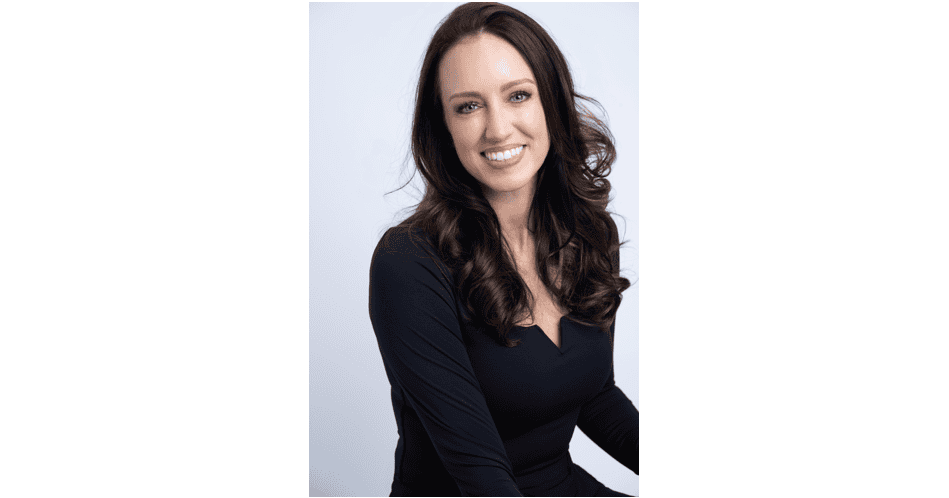
Juliann Edwards, The Nuclear Company
Concepts discussed
Auto-linked from the episode's notes and transcript.
Show notes
The Nuclear Company exited a period of operating in “stealth mode” about a month ago. That exit was sufficiently well planned and executed that it is likely that Atomic Insights readers have already heard of the company.
The Nuclear Company was incorporated a year ago. Its founding team has been working diligently to build the relationships and agreements needed to accomplish their self-assigned task. The company has a goal to build an initial fleet of reactors with a capacity of 6 GWe. Those reactors will be built by a consistent team, financed using a structure whose outline will be disclosed in the coming months and using a design that has successfully completed an NRC design certification review AND has been built at least once somewhere in the world.

The company is also focused on sites that have already been through the early site permit process. Their project regulatory path is close to what was initially envisioned for an entity using the one-step Part 52 process. Choose a design that has been reviewed and approved, match it with a site that has been permitted and obtain a COL based on those two development steps.
The company also recognizes the acceleration opportunity associated with using existing COLs.
Juliann Edwards is the company’s chief development officer. She has extensive experience and contacts within the nuclear industry and currently serves as the US chairman for Women in Nuclear. I first met her when we were both working for B&W on the mPower reactor project more than a decade ago.
Juliann visited this show to tell us more about The Nuclear Company, focusing on its history, people, vision and accomplishments so far.
The vision and goals are aggressive and ambitious. But they don’t require any new scientific discoveries or technological inventions. That feature doesn’t guarantee success, but it makes it a little more achievable in a realistically chosen time frame. Sufficient resources – time, talent and treasure – must be invested, but the end result seems valuable enough to attract a starting critical mass.
Transcript
Read transcript
There's a way, a way such a better way today, today. The nation's voice, till the world, there's a better way, today, and there's a better way. This is Rod Adams and it's time for another Atomic Show. And I guess today is Julian Edwards, the Chief Development Officer of a company called the nuclear company. Welcome Julian, how are you? Good, thank you for having me. You know, just two months ago, I don't think anybody had heard of the nuclear company other than a few very tight insiders. But you made a splash, we said, tell us a little bit about your company and what it is you're planning to do. Sure, no. Absolutely, we did come out of stealth mode just a little over a month ago. We were incorporated a year ago, June of last year. And yeah, we've been hitting the ground running and the way in which we decided to unveil ourselves was essentially through a bus tour. And we launched something called the nuclear frontier, which kicked off at the US Women in Nuclear Conference in Pittsburgh. And went through a six-state journey focusing on understanding and building relationships and various communities from the trades to universities, utilities, government. And it was honestly a really once-in-a-lifetime experience for me personally. And it was a great way and innovative way to introduce the concepts in which we're trying to introduce to the nuclear market. And so the company, the nuclear company is a fleet scale development firm. So we're very hyper focused on building six gigawatts. That will be fleet one, if successful and when successful I should say, we will continue to build fleet two and fleet three. But, um, unlike other folks that are in this space right now, we are really focused on technologies that have already gone through the NRC design license certification and have already proven operations and, you know, that first of a kind cost and schedule so that we can further deploy that technology in this country. Very excited about the relationships we're forming and have formed and really the public private partnerships that we're going to be solidifying in the next couple of months. Many people when they hear that it's got to be something that's got to design certification through the NRC immediately jump to well that only leaves the AP 1000 but are there other choices? Yeah, there's actually a lot of other choices and we are going to be definitely mindful about when we disclose the technologies that we're referring to, but the NRC is done enormous work of certifying various technologies and our hope is that as that continues, whether it be large scale, small or micro, this framework could be used for those companies that are trying to get their fleets off the ground or their technology off the ground. One thing I've seen, you know, in this country is we'll approve a design perhaps build it once and then start to change it and mold it and we haven't really focused on standardization to the level we should. And that's really what we're trying to drive so that we can get cost competitive, you know, nuclear infrastructure so get to that end of a kind cost that we're seeing reported out of MIT studies and breakthrough institute. Those are definitely achievable because we're seeing them on a global scale. We just now need to see them in the United States. What kind of cost are you looking for? Give you got a goal in mind for the cost for kilowatt of capacity or anything like that. We're definitely have some in mind that Friday even in this industry just as long I've not longer than I have and you know maintaining and building credibility is very, you know, very important and we want to make sure when we disclose our cost and schedule assumptions for fleet one. So we're seeing a lot of, you know, intelligence, a lot of data that's informing that decision and disclosure. So I would tell people that we're pointing to what we're seeing in the MIT studies as the end goal. But to get there it's going to take a coalition it's going to take those that have a proven track record and lessons learned to come together and to drive towards a common goal of building six gigawatts. More to come on what we look to have our schedule and ultimate cost look like. As a developer, are you intending to own and operate facilities or you tend to sell off the finished product to an operator. How is that going to work out? I've asked this a lot and one thing I want to be ultra clear is we are not going to be the operator. We are not going to be the licensee. We are the folks that are building the special purpose vehicle and bringing in those, you know, those license see those operators that have 60 plus years of experience in doing this safely and operationally efficiently. We bring together the government to help with ensuring that we have the right amount of financing and incentives to drive private equity to put in their name in the hat. Also bringing in the offtakers, right, like the large industrials and hyperscalers ensuring that they come to the table and understand the value proposition out of these facilities and what type of long term agreements are going to be required from them and commitments from them. So, to think of us, there's a advisor that we have Ron de Gagorio, he said it's so well. We are literally the conductor and we are bringing this orchestra together and one thing I think folks like about that is, you know, a lot of folks don't want to take the liability or the burden of building nuclear infrastructure on one balance sheet and on one set of shoulders. And we don't believe so either because the value is so immense and it should be shared. So we're making sure that that risk dilution and that value is spread evenly with those parties that are a part of this consortium. So definitely not going to be an operator, but we plan to be there through the life of the facility and some former capacity to ensure we feed those lessons learned back to the next set of fleets. And you mentioned that you're looking at technologies that have already been designed certified and have already gone through the first of a kind, presumably in either the US or some other country like Japan or South Korea or maybe even France or China. The question is, are you also looking at sites or places that have already been evaluated and have either site for recycled permits or even COLs at this point. Yeah, no great question. Yes, I think our first criteria that we're looking at, I shouldn't say, our first criteria definitely is ensuring that we're reducing greenhouse gas emissions. That is a commitment we made it cop 28 as you know and something that is near and dear to my heart. And for us to do that and an accelerated pace. We have to look at again the work are in our sea and our utilities have already done to ensure these various sites or I think there's six active early site permits across the country today. We have to look at those and look at the schedule advantage that they provide, as well as those that already have an active construction and operation permit or just a construction permit. So absolutely we're having conversations with those folks to ensure we understand their interest and how we could ensure that we build nuclear at those facilities. I assume when you talked about building your group or your orchestra that you might have more than one operating utility for your fleet of six gigawatts. Is that a good assumption? That is a good assumption for sure we but we will be mindful that there are regulated and unregulated markets and jurisdictions that will preclude you know certain operators and licensees to come into those spaces in that. And that in that capacity so we will not be introducing a merchant player into a regulated market to you know start competing for that ability to operate. That is not going to be the goal of the goal is to ensure that you know both merchant and non merchant operators and markets kind of understand what it takes to develop nuclear nuclear infrastructure to give certainty to rate payers to give certainty to. And so that's the supply chain and workforce that's going to be the focus of why we're bringing those folks together. Can you tell us a little bit about the team that you've already developed. Like you said you've been in stealth mode for a little over a year, which has opened up your kimonos in the last month or so. I think that's the team built already to tell us what what you're doing what you're looking for. What kind of talent that you believe are necessary for your conducting role. Yeah, absolutely. I think you're going to use that a lot now the conductor. I like it. I do too. I know. Although you're not just a person who comes around college tickets. No, absolutely not. And that railroad conductor now we're not a real conductor. Yeah, it's a great question when I look at what it's going to take to look at this look at how we approach this industry differently. We're going to have to look to both internal to the nuclear industry and external. So definitely the higher of Joe clutch our chief nuclear officer, someone who has come up through the Navy. Understand the role of operations understands the role of capital infrastructure and projects understands the role of having to turn around a fleet from the bottom desk silo to the top core tile of info ratings. And that's the essential that we bring in those lessons learned and understanding of the nuclear culture and organizational requirements. But also we're looking to outside industry so we've got folks on our team that have come up through oil and gas and understand the rents and repeat design wants build many mindset. And we're also looking to understand the role of manufacturing that understand what it takes to really get a facility not only built but certified to a higher regulatory standard. And then folks that from private equity understanding that tight rate of return that is traditional in that space and how we can ensure that we bring value to those parties in the marketplace. And we're looking to grow. I mean we're a lean organization right now and that's very intentional because we don't want to duplicate efforts with our consortium parties right we don't want to hold a role that a utility should hold in the development and executioner. We don't want to hold a position or title that any PC contractor should hold. So we want to ensure that we're bringing together that strong set of consortium members that are ready to move and move now. challenges that I should say all nuclear projects at least in the US have had over the years is that the contractual arrangements haven't always been aligned. in other words there's always been some competition among the parties in the contract and quite frankly there's an awful lot of litigation even associated with our most recent project I think that the vocal participants have been in court since about day four. So how are you going to make the arrangement so that everybody's incentivized to make the projects work well. Yeah that's a heavy lift and you're spot on and that is not just specific to nuclear that's that's spread across healthcare large infrastructure. I mean we're seeing it everywhere right and I think when I always look at the root cause of what leads ultimately to litigation or contentious relationships or projects going over in terms of cost or schedule. It's how you set the stage from day one so what we're ensuring from day one is. So if you're meeting with this week concept I don't know if you can know that. Joe and Simon manoring he was a speaker at our women and nuclear conferences. Pittsburgh. Very, very accomplished in terms of forming movements and getting folks aligned on leading with we, not with me, helping make that, we'll call it that cultural shift that honestly is needed. And I know that sounds like fluffed and some of the soft stuff, but it's so important and a lot of folks take that for granted on how important that needs to be from day one. That's one of the aspects, but another one is making sure that the parties we bring in are sticking to the proficiencies and their core competencies and they're not trying to stretch themselves to take on more than they should. And if that is something that's going to be required for instance for a certain contractor, then we have that tough conversation of how it's going to be reflected in a contract. But I think what led to most cost overruns on prior nuclear contracts is you know, design not being complete. And you know, a lot of stress and pressure being forced on you know those prime stakeholders, those utilities and intrapelest suppliers because they were trying to drive towards an economic model and a sense that date of you know, tax credits debt financing. And so I think it's being honest with those that are involved in the debt equity side on realistic timeframes. It takes to develop a strong project management plan and having a level of transparency that is going to make everybody feel confident that they've made a good investment. I like the fact that you alluded to one of those things that pushed the Vogel expansion project along where a lot of participants recognize it shouldn't start without a complete design. But there were forces external that we're saying you've got to get started soon otherwise you're not going to make it. Yeah. With like expiration dates on tax credits and those kinds of things and or pressure to be the first in only a very limited number of projects that we're going to gain support. Believe it was six gigawatts or 6,000 megawatts was a maximum. And so there was a desire to get moving and be put shuttles in the ground. Yeah, it's it's um I don't know what it is. It's like human nature just not wanting to have those tough conversations. I think you know, Vogel Southern, Scanna, Westinghouse, all those had to have many, many tough conversations. But when I look at what I really hope we can accomplish here is kind of laying it all out. Like here's the risk register. Here's the percent of confidence we have and all of these schedules. And here's what it's going to take from you, the regulator, from you, the state, you know, public service commissioners. If it's in a regulated environment, from you, the utility to pull this off. And if those start to slip, then we all have an honest conversation that the project itself will slip and the cost will increase. And so that's why it's so important to make sure that you spend the adequate time on the front end and setting the stage on what's realistic and then what's a stretch and just living and dying by that language. And by that philosophy, it didn't help that there was a lot of change that took place right during that time. I mean, change in our sea regulations. We had COVID. We had a bankruptcy at those projects related to the suppliers. And those are all stress and pressures that are put on individuals. And I would just say that the leadership that's going to be a part of this fleet has to understand their role as leading the organization to ensure this doesn't impact down to the craft level, does an impact down to the rate pair or to the consumer. And that's going to be really something that we drive hard every single day. Yeah. And I think honesty about schedule is incredibly important. And that's actually what put some of the folks at Scamming in our at the VC summer project, I'm not sure who it was exactly in in-de-legal trouble because they kept delaying reporting the bad news. Yeah. That's you got to be willing to say things aren't going as far as I'm concerned because you get more forgiveness that way than if you wait until it's too late to do anything about it. So, where is the nuclear company headquarter or do you have a headquarter? This is the worker Mowtley era. I don't know if it's a worker Mowt era. I mean, I think we definitely had that stage for a while during COVID and was definitely necessary to have a hybrid transition. But, you know, we're definitely on the road a lot. I would say we're going to grow the fastest and probably the most in terms of resources in a single office will be in DC. We're opening up an office there at the end of the year. Our founder is from Kentucky, but I live in Texas, our chief nuclear officer lives in Georgia, but you'll see more and more staff reporting out of the DC part of the country, mainly because we're just going to have so much engagement with, you know, federal stakeholders. And it's important that we're conveniently located to where we can have those those conversations and those face-to-face meetings. Yeah, it's an interesting reflection on the industry that's so many of the new companies that nuclear are located in and around Washington. Yeah, I remember when it used to be in Charlotte, North Carolina, when I moved there in 2008, it was going to be like the epicenter of the nuclear renaissance because there's a lot of engineering firms based out of the Carolinas. And yeah, you're right, it's kind of gravitating a little bit to DC now. I think people are recognizing that engineering is just a part of what we need to do with to make nuclear work. Yeah, there's an awful lot of other stuff outside like working with regulators and with policy makers and public relations folks. Oh yeah, and trades and manufacturing organizations. Like there's definitely many more stakeholders and they are spread across the country, but I would say a predominant amount or more east coast based than I have seen. That's where a lot of our staff says. I don't know that you'll find many manufacturing and trace people in the DC area. But yeah, having lived there myself for a number of years, it's having an awful lot of white-collar paper pushers. Oh, the real estate's probably expensive there too for manufacturing. Yeah, yeah. So I guess you're already engaging with some potential offtakers. People talk a lot about data centers. What other kinds of customers are going to be lining up for some of these advanced power purchase agreements? Yeah, a good question. It's definitely a mix of the big tech firms, but also the large industrials that have been a demand, large base load customer for decades. We're looking to those because they have established relationships with utilities, understand kind of the, we'll call it the ebbs and flows of pricing that can occur as market conditions change. The more we interject into our grid of renewables and take down coal, I think that we're going to see more of those players be a part of the conversation as well as the hyperscalers like the Google and Microsoft and Amazon's of the world. Yeah, part of the interest from the hyperscalers is that they've made commitments for cleanliness or going towards zero carbon. Is that similar dynamic happening with other customers? Are there other industries that are pledging to reduce their emissions? Oh, my gosh, I'm seeing it across every industry. And I think you are following this. We tend to in this country and many countries use a care and a stick approach, right? And the carrot being, let's incentivize large publicly traded companies to make pledges to reduce greenhouse gas emissions and provide tax credits and production, investment tax credits and production tax and so we're seeing this across every industry in the United States. And now the six coming, right? So we're seeing, you know, more rigor and due diligence by organizations like the SEC to understand, okay, you've made these commitments. You've made these claims, show me how you're delivering on those and ensuring that you're going to hit those targets. I think a lot of folks are, are starting to to realize that one, collecting the data on scope one, two and three emissions is very difficult. And probably a heavier lift than most people anticipated and to develop informed partnerships, to, you know, aggregate demand and aggregate the need to reduce the strain on our grid, but also reduce the amount of emissions on our grid is is hard. I think one of the most beautiful things I've seen in the last couple of years is that aggregated demand, RFP, between, you know, Newcore and Google and Microsoft. And I thought that was just such a great way to signal to the market that we all have the same challenge that we've got to face in an opportunity that we can present together as a United Front to give more certainty to, you know, those merchant market players or those regulated market players, but also supply chain. But these folks are, you know, binding together or going arm and arm to ensure that they jointly reduce their greenhouse gas emissions and deliver on those targets. So yeah, we're definitely seeing that as a big driver to bringing people to the table. I've heard recently that some utility companies that are interested in new nuclear haven't yet figured out how to take advantage of the promises of the inflation reduction act in terms of fairly significant investment or production tax credits because those credits don't happen until after the project is complete. Have you had considerations on how those how you can take advantage of those? Well, I have had empathy for those utilities that have to do that integrated resource planning for sure because you're right. I mean, these are definitely elements and incentives that are going to assist at various stages of building out nuclear power plants in power projects. But you've got to look at the front end. Like I love what Virginia just did. Governor Yunken just passed legislation to ensure that there's, you know, cost, I think it's cost recovery for project development on new nuclear. I believe it was slated to work small modular reactors, but maybe included large as well. And those are going to be, I believe, huge drivers to folks like ourselves to understand like what states are very, very excited and want to bring nuclear to their backyard. So you're right, you know, ITCs and PTCs are just one element, but we've got to look at what additional financing can the government provide. What is it cost overrun insurance is it cost recovery for project development costs? Because that front end, as you know, to site permit and get ready for placing clean electrons on the grid. It's not a, it's not a small feat. Yeah, the regulated utilities and Virginia is one of them. Regular states have that ability to do cost recovery and charge consumers during the development. But a merchant plant can't do that. No, they cannot. Like, at least I haven't seen that yet. But man, what if you saw that in PGM in my zone or cut? I mean, it would just, it would incentivize like the constellations and AEPs and towns of the world to look at building more nuclear. And I really wish that that would be some, a conversation that's had in those parts of the world. Yeah, it's, it, it, to me, it's unfortunate because of the amount of money that the federal government's willing to put in after the project is complete is huge. Yeah. But that doesn't necessarily help the projects get complete or even get started. Right. A lot of patience in this and understanding and clarity of when that return will actually occur. So you, your company is not going to be the operator of the license. See, who's going to be holding the debt or the, where's the money that has to be invested? Where's that going to come from and who's going to have the ownership? As time goes on. No. Great question. The debt financing we're going to come out with and dispose later this year. We've been working again in stealth mode for a year on setting up what I believe to be the most complex and heaviest left, which is the debt financing piece. On the equity side, it will be those players that are going to be instrumental that I talked about, like the offtakers, the utilities, private equity. So that will be the mix, but more to come on how we're structuring the first fleet. And I truly believe what we're doing is going to be something that can be rinsed and repeated again for large scale and then again and again for each technology that gets approved by the NRC. So your fleet one does not necessarily tell the world what fleet two and three are going to be in terms of what technologies that correct. I mean, as you see fleet one announcements occur, you'll definitely understand the technology and then but fleet two and three if we see more technologies go through that first of a kind cost curve and schedule. Right. Like if you we see a clench river and TV and GE start to break ground and get that unit online. It could be something that we would love to talk to GE about like making sure that we launched their technology and same for chiros. I mean, they just got their construction permit for their demonstration plant. I mean, this is going to be a framework that can be used and really will help bring more parties and investors to the table because you get more certainty on the regulatory process on really the cost and the rate of return and the timing of that return. And that's what's so essential about our framework is making sure we don't leave those, you know, those technologies just on the shelf were deploying them because it's so essential to bring back stem careers to our shores and bring them to the top. And we're going back more manufacturing and really just ensuring that we maintain a leadership position in a global scale and setting these industry standards for nuclear and I'm really worried that we're going to lose that if we don't accelerate our deployment efforts as soon as possible. I agree with you. What's what kind of moat do you have around your company what prevent somebody else from doing what you're doing. I don't think there's anybody doing what we're doing right now, but probably hope others do if I'm a realist and honest, I'm an optimist and a little bit of a romantic and I will tell you at the end of the day. I myself, Julian Edwards just wants to see us build 200 gigawatts as a country of nuclear and to provide more security and clean air and jobs and just be proud again right of you know being an American and I feel like we've started to lose that even in 2010 when we lost a lot of manufacturing to China and other countries. So if others catch on and want to rinse and repeat this for themselves and they find that they can bring in financial institutions that want to bear first of a kind risk. Please, I mean, definitely I welcome that and I hope everybody will welcome that but for us our risk appetite is very much ensuring that we can reduce some of that burden and regulatory risk with using certified designs with using technologies that have already proven operational. Levels and standards so that you can again you talked about this earlier, those contracts are very difficult to form it's because there's a lot of uncertainty when you don't have something to point to and a precedent to point to. And so that's what we're hoping that people will grab on to and we hope others will follow along and do something similar. Yeah, one of the things that it's hard for me to explain to people why bothers me so much but when anybody tells me well you are over cost and over budget for the first of a kind unit and I say well how do you expect anyone to produce a budget and a schedule for something they've never done before exactly okay. I've been involved in budgeting operations and I know exactly what kind of machinations an engineer will go through when they told you have to tell me how much this is going to cost and you'd say well. You're so right, I mean, no one understands the research and development costs that goes into like the iPhone right like do we really think like the first home was produced on time and on budget. Under Steve Jobs, I don't think so, I came in through enormous amounts of sweat equity and equity and R&D and funding to pull off what was honestly the one of the greatest inventions that we have. Device that we can communicate around the world and a very interesting and sleek format and so it's just one example, I mean look at space X and. Real roads and interconnect like all of these had to go through a first of a kind cost and it's funny how much we all forget those things because once we have access to them and we're using them every day it's. We're taking it for granted right I told you before we got started I've had my power out several times it's moving to Texas and. I now realize just how entitled I have been independent on energy and just flipping that light and knowing it's going to come on. To where I paid more attention to how I use and use my energy, because I don't take it for granted anymore and I'm telling you once these facilities are built. Gosh, the 60 80 year life and benefits that it provides just an average human being to a taxpayer to a school to a university to supply chain and workforce and trades it's just. It's hard to even quantify sometimes it's so enormous. I agree with you one of the things I'm going to suggest to you. When you talk about what your goal for building say 200 gigawatts for the country is I think it's a great goal. But I also want to add I want to build 200 gigawatts electric by 2050. But be able to reach and may reach the state of building say 20 gigawatts per year. Yeah, and continue to accelerate that, but because it's not going to the life just a stop at 25. It's just one of those it is just. My grandchildren aren't going to be all that old in 2050. No, you're so right. And it's funny me and my founders talk about this often back to the credibility discussion and setting those expectations and disclosing the. The time in which our first fleet will be deployed. If we get incentivized the media to be cheerleaders and not boys. I think it would even for the. If I was to say you know what I mean like I look at sometimes like how much we just love poking at people's. failures or not achieving you know you know 1% of a goal. And I if we could have everybody just become such believers and just baptized in the idea that everyone's going to need. That positive momentum and attitude around this. That's what's going to be a game changer for us. And if we can solve for that and on top of this. We'll see what's next on our list. Well of course being from a cheerleader media that's that's good. I've been doing that for a long time. I know you are. So I had to mention that you got a certain steps in your friends man. But I am encouraged quite honestly by my recent. Immersion in the Olympics coverage. There's an awful lot more discussion about how great it is for somebody to. Show up and do their best get a get a personal best even if they don't win the gold medal. And I think that you know there've been there's been celebrations. Hey that's the best American performance we had in years or whatever. So I think that that's a good correlation because. Yeah imagine again inserting that type of behavior or that type of gene into what we're trying to do in nuclear. I mean you would just have people so revved up and energized and passionate that we would feel like we could accomplish anything and I know that's just again you know I'm a very optimistic person. And I once was a professional cheerleader so I tend to think that way. But God like I can't tell you how much I get excited and I'm just on the edge of my seat in my couch watching the Olympics right now versus when I'm turning on the news I sit back and I slouch my posture is not right and I'm just kind of like drained at the end of the the feedback or the the news that's reported and it'd be nice if we could do that. Yeah and it's it is good to see people that are that understand the importance of simply getting better and better achieving that personal best on a you know a regular basis and then there's a lot of discussion about the amount of effort that goes into making sure that's that's possible. So I you know that's that's the kind of media covers I think we need to see and I I agree that it's we got to stop picking each other and and go back to that idea you should mention it up. Which is a stretch goal and which is really the promise okay I'm going to try to do X and if I do it you'll be happy but what I'm promising you as I'm going to do Y and hopefully it's going to I'm going to be somewhere between the very very basic promise and my stretch goal. Yeah exactly exactly. And every once in a while you might set a world record who knows. I will gosh we have to we've done it before on this country and many many industries and it's nuclear time. Yeah well unfortunately in some cases I cringe when somebody says we've done it before because I say what do you think you're your grandfather. Grandfather's the one that's to this before not you. Oh man I remember this talks with my grandfather. Now I remember rolling my eyes too. I wait I roll I've seen eye rolls and the side I met from my girls are just yeah we're good at the side I women are very good at the side I I will attest to that my brothers I agree on your brothers they I roll meet all the time especially when I get on my soapbox at Christmas about nuclear. The injustices and they're just like joules enough can we just talk about like I don't know the Kardashian's or something whatever's on the TV that day. I'm like let's not live and you know you know lava all the way and there's too much reality like too much real world stuff to talk about. Yeah well what we're doing is real so I think it's real important so you might tasking to you and the nuclear company is to keep rolling and keep making sure that people have the conversations that are necessary they're hard conversations but we can do so many exciting things these days and enabling the population with all the clean electricity they ever wanted that's that's important. I know that's going to be a it's going to be a heavy lift but I'm definitely loving the Olympic spirit I didn't know that I used it just know that I'm you. Good all right I'm glad to hear that. Hey Jillian if you got anything else you would like to share with the audience before we depart. I would just say if your followers and subscribers could challenge themselves or if I could do a call to action is try to get more involved and use a positive voice versus amplifying again someone being a little bit behind schedule or perhaps not achieving a goal that was set a month or two prior. I look at all the different players in this market right now and there's a lot of momentum but how quickly we can build folks up and then pull them right back down and I often look to the movie. air that was just done about Michael Jordan's life and the speech Matt Damon gave really inspired me and reminded me that we've got to ensure that we protect this dream to build 200 gigawatts and it's going to take everybody behind us cheering and not trying to pull us step back down the mountain like what happened after Fukushima. We've got to make sure that we can tell you to be safe. We tending to be operationally efficient with our incumbency and our 93 reactors today but also making sure that people feel empowered and your voice matters and a time to act is now. Thanks for that closing remark. Julian, good luck to you. Thank you. Thank you. Thank you. Thanks Ron. Bye. This episode of the Atomic Show is brought to you by Nucleation Capital. We're a venture capital fund focused on selecting ventures with extraordinary promise. They're building the advanced nuclear sector and helping expand our clean energy options. We're building a portfolio of ventures on behalf of investors like many of you. We don't just take funds from the large institutions that typically allocate to venture capital. We believe that regular investors should have access to the opportunities in modern nuclear for their own portfolios. We allow people to subscribe on a quarterly basis starting as low as $5,000 per quarter. A four quarter subscription will get you exposure to between four and six ventures. If you are an accredited investor and would like to learn more about how you can participate, please check out our website at Nucleation Capital.com. That's Nucleation Capital all one word dot com. Our fund that all of the information you need to subscribe is available online. You can also subscribe to our newsletter, Nucleation Insights and join our pro nuclear investor network to learn about select syndicated investment opportunities. If you have questions, we're happy to chat. Please spread the word. Today, we'll raise your voice till the world has a better way. Today, there's a better way. Ooh, there's a way. Such a better way. Today, today. Now raise your voice till the world has a better way. The way is the Adam's way.