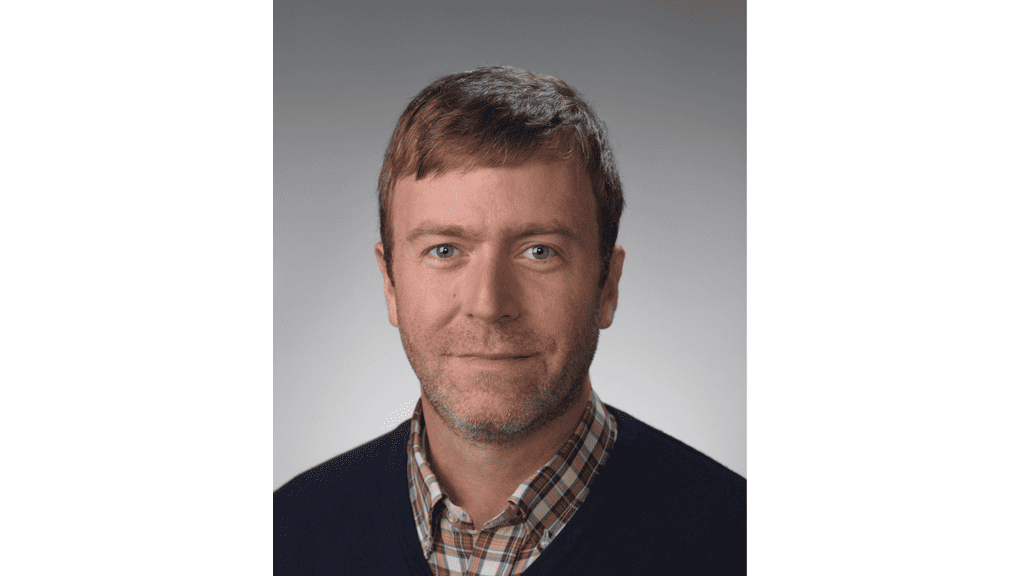
Matt Huber, Geography of Energy
Concepts discussed
Auto-linked from the episode's notes and transcript.
Show notes
Matt Huber is a professor of geography at Syracuse University. He writes about energy, economies and the way that energy sources have influenced modern societies and economies.
One of his first books was *Lifeblood: Oil, Freedom, and the Forces of Capital* (2013) which is very briefly described as follows:
> Looking beyond the usual culprits, “Lifeblood” finds a deeper and more complex explanation in everyday practices of oil consumption in American culture. Matthew Huber, associate professor of geography and the environment, uses oil to retell American political history from the triumph of New Deal liberalism to the rise of the New Right, from oil’s celebration as the lifeblood of postwar capitalism to increasing anxieties over oil addiction.
In April 2022, Huber published a significant piece in Jacobin with Fred Stafford that explains how his research has revealed that most of the financial benefits associated with renewable power system development and electricity production “deregulation” have been captured by entities that the Left is supposed to dislike.
> When we look at the actually existing decentralized renewable energy industry, we see many things the Left should abhor — deregulated markets, tax shelters for corporations, a rentier development model, and an anti-union industry dependent upon a transient and insecure workforce.
>
>
>
> Though the environmental left may not want to accept it, the small-is-beautiful approach of decentralized energy provides ideological cover for a ruthless form of renewable energy capitalism. And even worse, it threatens our fight to halt climate change in its tracks.
> In Defense of the Tennessee Valley Authority, Jacobin 40/04/2022
Huber believes that large, capital intensive power plants have been valuable investments as anchors in our electricity grid. Contrary to the characterizations offered by critics and advocates of radical transformation, he believes that the grid is one of the greatest inventions of the 20th century and that we should add to its capabilities instead of seeking to completely rebuild it with a different generation model.
He notes that emission-free nuclear power plants provide many of the same benefits for workforces, local economies, and grid stability as large coal plants. He is strongly supportive of the coal-nuclear path that is gaining favor with the government and utilities.
Huber and I share strong negative feelings about the work (damage) done by a couple of influential renewable energy gurus – Amory Lovins and Mark Z. Jacobson. We also share deep respect for the work that Meredith Angwin is doing on educating the public and government leaders about the way our electrical grid is trending to a greater state of disfunction and fragility. (We both recommend that people buy her book *Shorting the Grid, The Hidden Fragility of Our Electric Grid*.)
I hope you enjoy the show, even if Huber’s self-description as a Marxist gives you an immediate sense of discomfort.
Please participate in the conversation. Comments sections on Atomic Insights are often at least as enlightening as the original posts.
Transcript
Read transcript
There's a way, a way such a better way today, today. The nation's voice tells the world there's a better way, today there's a better way. This is Rod Adams and it's time for another Atomic Hill. And with me today I have Matt Kueber, a geography professor at Syracuse University. I heard Matt the first time on the DER that's distributed energy resources podcast. And he had some great thoughts. We share some common goals and also some common enemies. Welcome, Matt. Thanks for having me. Matt, I'd like you to tell the audience a little bit more about you, what you do, why you care about power. And what do you think about nuclear power and specific? And we'll talk more about that later. I'm a geographer, but geography is a very sort of expansive field. I basically got my PhD sort of studying the intersection between energy and capitalism, taking a geography we call it political economy approach, or even some of your listeners might not love to hear this word. But there's a big booming sort of sub-discipline of Marxist geography that really tries to take a critical analysis of how capitalism works, how it not only exploits labor, but how it exploits natural resources, the environment to accumulate profit. And so I did my dissertation actually on oil and its role in shaping 20th century American capitalism, in particular, how oil sort of powered a particular kind of privatized way of living, you know, with suburbia and automobiles and all that stuff. And I tried to argue that that sort of geography of privatized living powered by oil really helped build a kind of popular base for what we call neoliberalism or sort of this free market, anti-government, anti-tax kind of ideology that really took hold, starting in the 1970s, but really kind of coming to the fore in 1980 with the election of Reagan. So anyway, but I was also thinking very deeply about how do we kind of understand the historical relationship between fossil fuel energy and the end sort of capitalist social relations and capitalist politics and economics. So, after I wrote that first book on oil that came out in 2013, you know, I quickly became pretty interested in, you know, the challenge of climate change and decarbonization and it became clear to me pretty soon that that electricity is at the many people call it the linchpin of any decarbonization strategy. It's going to be the sort of core, if we can clean up electricity and then sort of electrify things that don't run an electricity, we'll really get, you know, sort of like 80% to the decarbonization challenges we face. So, I started thinking, studying, sorry, sort of researching the electricity system a lot more and the more I dug into it, the more it became clear to me that if you care about climate change and you're worried about the climate crisis and you agree that there's a real sort of rapid window of time in which we have to decarbonize our power systems in particular. It became clear that you, I mean, you had to sort of recognize the demonstrated capacity of nuclear energy to deliver to basically deliver decarbonization, you know, it's a demonstrated, you know, track record, whether you're talking about France or Sweden or South Korea or wherever where it's actually, you know, shown where if countries or states or governments are really willing to invest in the technology, you can really see tremendous reductions in decarbon emissions coming from that. And on the other hand, as we've seen, I'm coming to you from New York State or you could go to Germany in the places where you shut down nuclear plants. It's just pretty clear that that shut down often consequently leads to its replacement with fossil fuel based, you were liable firm generation and New York state. It's been basically we shut down Indian point and we're placed it with like three natural gas plants and we've heard a lot recently about how Germany shutting down its nuclear plants has led them to basically double down on the worst most carbon intensive form of generation, which is coal. And so, so anyway, that's a long answer, but I've, I've again become very pro nuclear not just for climate reasons, there's lots of reasons, but I think that's sort of given the centrality of climate to kind of our politics now, I think, I think it's one of the most sort of obvious sort of rationales and legitimations we can make for not just maintaining our existing nuclear fleet, but expanding that. There's a large body of at least a body allowed body of people who believe that we should electrify everything, but do it without nuclear. We should electrify everything on the back of the wind and sound and maybe a little bit of hydro and oh yes, and geothermal. Oh, maybe some tides. What do you think about those people now I think it's pretty standard that electrify everything is sort of the path forward for decarbonization, but again, most scenarios you look you look at the sort of Princeton net zero estimate Jesse Jenkins and many others. So, I think that's a really important thing to say is that we're going to report they say that we're going to need to something like double or even quadruple the amount of generation that we have to electrify everything. So that means a massive expansion of generation and you know, it's just not clear to me that that nuclear. It's clear to me that if you're going to massively expand generation you're getting a whole lot of generation that's really reliable and firm as Jesse Jenkins often says sort of low carbon firm generation. And so that just by itself assumes that you're going to see massive expansion of nuclear power. It's just going to have to be part of this scenario and if you're going to massively expand capacity you're not going to be able to rely on a bunch of intermittent resources like the tides or wind and solar. And a big breakthrough, you know, I started as an environmentalist and you know when you're an environmentalist you kind of have a need you just are trained to have a knee jerk reaction to nuclear and you have a knee jerk sort of support for solar and wind and you sort of are inculcated into this ideology that like that obviously we're just going to move towards like more renewables and solar and wind and that's going to be perfect. And but the more I started looking into it, the more I sort of confronted and that the intermittency challenge really is a big deal. You know renewables advocates get really upset when you bring it up they try to argue that they've got it figured out and they got it covered because they will advocate things like demand management and storage and all the stuff. One of the breakthrough moments I had is when I was reading a blog post on the Volt's website which is by David Roberts, you know a very pro renewables person. And it was a post I was really waiting for because it seemed to me the crucial thing that we need to know about how to make renewables work which is long duration storage because it became clear to me that oh batteries only provide about four hours of power and you know they can provide storage for nighttime for little bits of time but they're not the kind of backup that you need to deal with the intermittency challenge. So for instance recently there was an article in the financial times that claimed that the UK was generated 67% of its electricity from wind power in December. But then when you read the article down at the bottom that said oh by the way three weeks ago it was generating 2% of its. So like that kind of variability and that kind of incredible unreliability needs to be dealt with. And so you know and I live in a very northern winter region so you know it's very clear to me that solar power is not going to be very reliable in the winter time in the northeast state like New York where I live. So I was sort of interested like how do these renewables advocates think about long duration storage and he basically in the post just missed that no one really knows what we're going to do about long duration storage because. And again that I guess I should have defined it's like this is storage that can provide like hundreds of hours of storage when renewables aren't working so that's kind of what we would need in the winter or where you get like in Europe recently there's been a lot of like wind routes and so anyway he goes through all the various options you know whether it's pumped hydro and whether it's hydrogen or whether it's some these new kind of. New kinds of batteries that would last a lot longer blah blah blah but he kind of comes down to a sort of overview where where he kind of admits all of them are flawed. All of them are extremely expensive which is again sort of jarring to read because all we hear from renewables advocates is how cheap renewables are and how that cheapness is just going to sort of magically lead to a renewables grid. But so the long duration storage are more expensive and and again you know right up front he admits no one really knows what our solution is there so. So that really kind of hit me that actually if we think that the grid if we think we're going to electrify everything and we think it's going to massively expand generation we can't think that that we have the technology right now to make that mostly renewables so what's it going to be it's going to either be. A whole lot of fossil fuels or it's going to be. Low carbon sources and those to me the most the most reliable low carbon or zero carbon even you know you can debate these terms sources that we have our nuclear and hydro you know most. The most decarbonized regions of the world that really make gains you see it it's mainly on the basis of a combination of nuclear and hydro now the problem with hydro is we we basically tapped out the hydro and it's very geographically limited. So we can include geothermal I think there's some promising sort of advanced geothermal technology but that too is very geographically limited. So so when you realize the geographical limitations of geothermal and hydro you're basically left with one other option and it's nuclear so. I am for electrify everything but to me it's like obvious we're going to need a whole lot of nuclear power and I'm not alone you know the IPCC and all their their sort of projections of what we need to to get to. Net zero economy includes a high levels of nuclear power so. it's just the environmentalists and the kind of renewables acolytes that don't seem to want to admit this. Many of the people that we're talking about who had the ideas we're talking about advocate that wind and solar are distributed resources that allow everybody to have their own. But they also talk about the geographic limitations of wind and solar and how there are areas of the world where there's a lot of wind or areas of the world there's a lot of sun and we could put all of our energy collectors in those areas and just transmit. power as a geographer. It seems to me that you would have some input on that kind of idea and the kind of ill- logic of having distributed resources that have to all be connected. Yeah, there's this kind of other kind of I think fantastical imaginary if you will that goes on which is this idea that we'll build a kind of super grid where if we connect renewables to a more integrated grid, you know, the US has something like five grid regions. If we were able to connect all, you know, you have Texas that's like not connected to any of these grid regions. If you could connect all these regions into a sort of super grid where everyone's connected, the idea is that, well, it's sunny and windy at some place at some point all the time, even though, you know, for much of the country, it's actually not sunny for a lot of periods, hours at the time every day. But there's this idea that like, you know, just through basically transmission, increased transmission, we will integrate a much more renewables grid. Now big, big report in the financial times, I think yesterday about just the incredible barriers we're facing with transmission construction, all not just in this country, but all across the world. And, you know, the fact that basically we have a pretty sort of messed up planning process to integrate new generation resources into these grid regions and balancing areas like the RTOs where regional transmission authorities were like they get into this thing called the interconnection queue and it can take years to actually get to get these transmission lines built and connecting all these new resources. So that's another thing that's frustrating as you often hear. Well, nuclear plants, they just take so darn long and, you know, we're never going to have the time to build them, but no one ever talks about that. If we're going to have more renewables, we're going to need way more transmission and everyone agrees that, you know, some of these transmission projects they claim are going to take over a decade to come to fruition. So, that said, you know, I'm not against, I think if we are going to build renewables, I would be in favor of doing it in the logical geographic regions like the Desert South West, like what's often called the wind belt in the plane states, but also obviously offshore. I think to do that effectively, we're going to need to figure out a much more integrated planning approach to transmission building that could connect those resources because like you said, they're pretty, they're pretty sort of characteristically, they're far from population centers, you know, deserts, the planes, offshore, well offshore is not necessarily, but still all of them are going to basically require transmission. So we need to figure out how to, one of the approaches as a kind of, you know, a socialist person, like I'm very into planning and I think we need way more planning to kind of to build out a decarbonized grid. And so I think we need a much more sort of holistic and I would even say like a national approach to planning the grid system and that that is not the case right now. We have a much more sort of bulk anized, you know, you have the state utility commissions, you have these are regional transmission authorities and you have the owners of generation assets and owners of new transmission assets and no one's kind of like trying to integrate all these systems into a coherent approach. But yeah, I would say that the idea of the super grid that can somehow solve intermittency with transmission is another one of these kind of, in sort of mythologies and utopias that people attach themselves to I think. Many of the challenges associated with transmitting power from one place to another are not just political, it's not just a planning thing. We can't plan our way around the fact that there are mountains, lakes, streams, roadways, rivers, deserts, swamps, national parks, all of those things are along the way. And by the way, there are probably a few population centers that have to have the transmission lines passing through or over them. There's been a lot of challenges about transmission lines. People will try to challenge them on health problems and I don't really believe that. But I will believe because I see them all the time, the transmission lines are butt ugly and I don't want them passing over my house. I can accept them being a few miles away. But the transmission corridors are these swaths, wide swaths of deforested, essentially herbicide land because you don't want any trees popping up underneath the transmission lines. And one of the best uses that I have found for a transmission corridor is very close to my house. The local utility Duke Energy worked with the Pinellas and Pasco County bike trail system and allowed them to build a bike trail underneath the transmission lines. Now that's a pretty good use of that pathway. But there is a lot of that that is, I've seen them scarring mountain hillsides where everything else is forest and accepted transmission corridor. And so that's the challenge. And the other physical challenge we have today is there simply a huge backlog of transformers that are a major part of building new transmission systems and connecting various sources to the grid. You can't do it without transformers. And in some cases I've read that there are delays and delivery just to replace existing transformers getting close to a year out or getting a replacement transformer. So that's another challenge. Yeah, the other issue is a workforce issue similar to what we talk about with building anything. Yeah, but most electrical engineers that have been trained in the last 30 years have studied electronics, not in power electricity, not transmission lines, not interesting substations and transformers. I grew up in a household of a power engineer. So there's a difference between a power electrical engineer and some of who thinks about microampiers. They do. And connectivity is not just because you can connect two places or two regions. It doesn't mean you can move very much power between it requires a large transmission pathway to move gigawatts from one place to another. And that's just a fact of physical. You've got to have enough diameter of wire to move that amount of power. Right. Because you have limitations on how much you can move before it gets so hot. It melts things more sags to hit the ground. So all of those factors lead me to believe that people who think that we can solve at all with transmission are simply not serious. Right. Another factor that's not talked about much with long term long duration storage is it's a little bit like restaurants. In order to have an economical system, you want to have things that actually do their job on a more rapid basis. If you want to have an economical storage, you want to have it turn over fairly quickly. You know, charge it and discharge it every day, every few hours, whatever it takes. But charging it once and letting it sit there for 40 days. Then maybe discharging it for a little bit. Then maybe discharging a little bit. You can see the point. You're not going to be able to get much return on that. You can't charge people much on the power that you're going to release from that storage. You know, just many pieces of people don't think much about. On the one hand, I think me and my co-author, who I think you've interacted with Fred Stafford, we've written a lot together. We're trying to kind of reinvigorate this kind of ethos, if you will, of sort of the new deal 1930s where the state and the government really felt empowered to build big things. And it was doing incredible long-term public investment all across the country. There's a really cool website called the Living New Deal that basically catalogs all the highways and bridges and tunnels and schools and libraries and power plants, hydro dams, that the new deal built. You can look at this map and see in your own community how much stuff was built by the new deal. And so in that sense, we don't think like solving a transformer shortage or solving a lack of transmission or solving the electrician shortage is just going to naturally be solved by letting the market figure it out. We think that we think the grid in the power system is critical social infrastructure. And it requires a much more long-term planning approach that could sort of think about how we are going to build a new grid for the 21st century. And that would require really, again, investments in building that workforce and building new transmission lines. And that requires not this, again, this very Balkanized sort of chaotic market-based electricity system where everyone's looking after their own private bottom line, but not thinking about the larger structure of the system. But I think to your point, we also, if we want to plan, we want to be rational. And to me, building a entirely transmission grid to try to solve a problem of intermittent renewables sort of seems like a whole lot of work for where we could do something that just seems way more efficient and rational, which is we have in this country and it's happening more every year. We have coal-fired power plants that are going out of business and they're shutting down and they're, you know, they're leading unemployment and job loss in their wake. Well, people like, you know, not not everyone's friend, but people like Joe Manchin, but also people like Jigger Shaw and the Energy Loan Office, they have just said like, why don't we start to think about basically building small modular, nuclear reactors at the site of that coal-fired power plant so that you can just hook in that power plant to an already existing transmission network. And also, you can, you know, employ people that do have those skills in the power system that might even still be in those communities in those regions. And so that to me seems like, you know, it's just a way more rational approach to try to take advantage of all this infrastructure we've already built. You know, we've built this incredible grid system in the 20th century and to have a whole lot of locations that have used to be huge powerful coal-fired power plants, to have those just sitting sort of vacant and idle while transmission is there to be connected seems like a total waste of space. I agree. The other advantage of putting nuclear plants on the site of former coal plants are even former oil plants because there are a lot of few of those around. Yeah, makes a lot of sense from a grid. planning point of view because those locations are already part of a plan for a balanced grid that has backups and fail saves and resilience. And so if you put in a power generator, it has, it's from a power point of view, the same or similar characteristics to what used to be there, then you are fitting into the existing plan. If instead you try to say, well, now we use that connection connection there to connect up some wind or solar, the characteristics of the wind and solar as you would put in are far different than what the coal fire power plant generated. Absolutely. I resist those who tell me that one electron is like another, that may be true if you mix them all up together on a grid. But if you had a power line, two separate power lines, one that had nuclear power feeding it, one that had solar and wind power feeding it, you would recognize very quickly that electricity is not just electrons. And you can't just count the electrons and say that you've got the electricity system that you need. It has other characteristics frequency, like reactive power loading, all kinds of things that people forget about when they're talking about how wind and solar can solve things. Yeah, you've got this. Yeah, when people talk about wind and solar being cheap today and how fast they've reduced their cost. The next logical question is, well, what were they 15 years ago before that fast reduction in cost? And what was it about those power systems that allowed them to reduce costs that quickly? Can we apply that same ideas to something like small model reactors? This narrative that we can just take these centralized power plants and plop solar and wind on them and it will be the same system. It's just, yeah, totally off the wall. And Fred and I wrote an article recently where we're just at a sort of back up the envelope calculation using EIA data. And we estimated that still in the United States today, about 86% of the power in the grid is really being generated by centralized power plants and hydro. The whole system was built on all along. This is what the system is built for. It's what has created a system that people just take for granted that some have called the greatest invention of the 20th century, the grid. And we really need to be careful about just saying, oh, we're just going to build an entirely new decentralized grid. The other thing I want to bring up, which we haven't talked about yet, which is that acting like you can put a solar farm over a coal plant is in, it's going to have the same kind of economic and social impacts is also a big problem. Because if you act, you know, a coal-fired power plant is a place where probably hundreds of highly skilled and unionized workers would come into that plant every day and work to keep that coal-fired plant running similar with a nuclear plant. But a solar farm is going to basically have a lot of short-term temporary construction jobs to build the solar farm. And once you set it up, it's going to be very few permanent jobs. In the article that we just wrote, we found an example in Texas with a building a huge solar farm. They got 1800 union jobs to build it, but it's going to lead to two permanent jobs. So, you know, this is not a model of economic development that a coal-fired power plant was to many communities. And so what it is a model for is actually what we've described as a kind of rentier type of capitalism, which means it actually benefits the landlords who are able to lease their private land to these renewable projects and are able to get rents from those leases. You know, rental payments for the use of the land. So, the landowners that are able to make these deals with the wind and solar developers are able to get a steady income of rent every month for those payments. There's some sense that these projects will also generate some local tax revenue, although it's one of the scholar of the solar industry, Dustimo Vaney, once told me a lot of states solar farms are exempt from property taxes, which is really shocking because to me, like that's the only like plausible economic benefit you can really say about these things is they're going to generate tax revenue because they don't generate long-term jobs in any way, shape, or form. So, yeah, it's a complete... And so, while again, many of the environmentalists in renewable enthusiasts are imagining this utopia of a decentralized grid, to me, the centralized grid has been a much more sort of labor-centered model of economic development about, you know, building these power plants that provide unionized skilled long-term jobs for communities. And that's also something we need a lot more of. We've been dealing with deindustrialization. A lot of communities just been devastated economically. So, keeping that sort of commitment to reliable centralized power plant seems like a good economic development model. I've read something recently about an impact that I had never really thought about regarding putting solar arrays on large tracks of land owned by absentee landowners in rural farming communities because like the coal plant idea that you just talked about, replacing agricultural output with a solar farm changes the the community impact dramatically because solar farms don't require anybody to spread fertilizer. They don't require tractors. They don't require somebody to run the seed farm. And they don't require the silos to store the grain or to handle the grain and to ship it out. Many things that a farm would do. But for an absentee landowner, the income from a solar farm when you include the tax breaks might be greater for a while than the income from farming. But if you put solar panels on on-front farmland, that farmland is pretty much gone forever because the solar panels don't just lay on the ground. They have to have foundations that go in and fill that great soil with concrete. Yeah, you know, renewable proponents often bring up something that I have to admit I don't really understand but they claim exist, which is something called agro-voltage. It's this idea that you can grow crops alongside the solar panels. I don't, you know, to me in my simple brain, agriculture is a sun-based enterprise. So, you know, if you're soaking up a lot of that solar energy in these panels, you might be preventing it from going to the crops. But anyway, that's they claim there's this thing called agro-voltage. But I think you're right, like if someone can get a more secure income to just, to when and solar developers, to pay them a rental income, to just have a solar array on their property, there can be an incentive really not to bother with the farming and as you said, that can provide a lot of economic development impacts as well. And it does bring up the whole, another really big problem with renewables, which is that they take up tremendous amounts of land, particularly wind. And so given that again, centralized power plants really generate tremendous amount of power and not as much land, we have to think about, oh, if we're going to move towards this more renewables grid, it's going to be about land use and land conflict. And so there's been a lot more sort of community opposition to these solar and wind farms in rural areas, probably from a lot of people that don't get the rental income that don't own the land that are. And sometimes it's just people that are upset about the aesthetics of it. It's not, it's ruining, you call it, rural landscapes and views. But it's certainly going to intensify battles over land use. I mean, I live in rural central New York. And there's already seen signs in my neighborhood that are opposing solar farms and then kind of becomes a little bit of a culture where you have in my region a lot of people like me who are sort of more liberal or lefty professor types who are sort of not like me. A lot of those types tend to be like, yay, renewables are great. You know, we've got to do whatever it takes for climate change so they come out in support of these solar farms and go to the town hall meeting to support them. And then you have more rural, often sometimes conservative people who are opposing them for a variety of reasons so it becomes a kind of culture war thing. But the fact is, again, to think that kind of like the transmission thing, to think like we can just magically overcome all that kind of rural opposition, all that kind of land conflict that would emerge from a much more land intensive, spatially extensive energy generation system is again yet another form of kind of magical thinking. As a geographer, I think you mentioned that you spent some time thinking about the way oil creates conflicts over energy sources. It appears that renewables could also create similar conflicts because if you take the wind and by building great big wind turbines on your side of a border, on the other side of the border, they may not be able to build as much wind generation you've taken some of the energy from that wind yourself. A cool thing about solar and wind is they're not like a, you know, there's a great book that tries to sort of differentiate between different energy sources called fossil capital by Andreas Mommie. He distinguishes between what he calls stock resources, which are like fossil fuels, stuff you dig up out of the ground, but it's not just fossil fuels like copper and iron and these are stocks. There's only so much in the earth and we dig it up and we use it and you know with fossil fuels, the most important thing is when we use it, it's gone, you know, we combust it and it goes into the atmosphere. Solar and wind are what are considered often flow resources so that they're, I mean, when you think about the land issue, there's only so much of land that you can harness the solar power from and that's an issue, but I think like the sun and the wind are not exactly the kind of, they don't have the exhaust ability or the finite nest, that's why we call them renewable, that these fossil fuels do. So I don't know, I think if someone has a wind farm in one region, it doesn't necessarily prevent another person. Now, it, what really matters is just how windy it is in general in your region, but now, of course, many people will bring up that just because so sun and wind are flow resources in our renewable and inexhaustible, that doesn't prevent us from relying on a whole lot of stock resources to provision those generations. and technology. So everyone now is talking about critical energy materials, whether it be lithium, that's more for batteries, but whatever, all the metals and rare earth metals that go into solar panels and when turbines and how the geopolitics of those types of minerals is going to become an increasing kind of site of conflict. And you already see countries like Chile and Mexico nationalizing their lithium supplies and trying to form like people are calling it like an OPEC of lithium that they're trying to form. And I think Indonesia was trying to get involved with that. So it's certainly going to be interesting to see how this kind of renewable, if we shift much more to renewables, how it shifts the landscape of geopolitics and stuff. And there's also, I think, some interesting dynamics where people claim there's a kind of new kind of neo-colonialism that's going to happen where there are a lot of these plans to basically set up huge solar farms in like Morocco and Northern Africa and then transmit all the energy to Europe. So it's like it's a very similar kind of extractive colonial kind of relationship that could be developed. I actually just had a workshop last week where someone was talking about huge plans to develop basically massive green hydrogen production infrastructure in places like Namibia and Africa. And then that hydrogen would be shipped off to Europe. And so yeah, it will be interesting to see how these conflicts sort of play out in different locations. Whenever you try to do things at a major scale, you end up having those kinds of issues. When you mentioned that shutting down nuclear plants results in increased fossil fuel combustion, fossil fuel consumption, fossil fuel sales, who do you think is most benefits either by stopping nuclear from being built or by closing existing plants? Clearly like there's a huge amount of money and organizational momentum in green NGO, environmental organizations who fundraise and who run these campaigns based on closing down nuclear plants. So in a certain sense, if they are able to win those campaigns to close down Indian point, they can tell their supporters whether it be rich foundation, philanthropist or even just people that are sending them checks every month at a smaller scale, hey look, we're winning, right? We won. So bring us some more money and we'll keep winning. But I think there's something a little more pernicious going on where, again, it's not just nuclear that's shutting down, it's a lot of coal-fired plants. And I know I'm sure, I don't know if you've talked to her, but I'm sure you're probably aware of Meredith Anglin's book, I'm shorting the grid. And how we've set up these deregulate or restructured market wholesale markets for electricity under this new kind of brave new world of regional transmission organizations, RTOs. And these markets are set up that as she shows to systematically kind of disadvantage these much more capital intensive and large scale investment power plants like coal and nuclear. At the end, the advantage goes to these more smaller scale, what she calls merchant generators that are doing renewables, but they're mostly doing natural gas, right? So this is kind of like smaller scale merchant generators, capitalist block, if you will, that are really into natural gas and renewables. And again, they're going to benefit tremendously when we shut down nuclear plant. Like I said before, basically in the end point was replaced with three new natural gas plants. So again, when you set up these electricity systems as if they're markets like markets for bananas or shoes, markets sort of are very short-term oriented and they were reward kind of cost cutting at the margins at marginal cost. And so these markets are really giving all the advantages to these sort of small scale power plants. But again, like I said before, we really want to organize and plan our electricity grid as if it's much more a social infrastructure that needs to be thought about in the long term. And again, it's very clear that for the system as a whole, like power plants like that are capital intensive like nuclear and coal, or even as Meredith England shows like, you know, oil fired plants that can store fuel on site. These types of power plants are really good for the long term health of the entire infrastructure. And it's the way in which we've set up these markets that kind of systematically kind of eroding this shared social infrastructure we call the grid. So yeah, it's hopefully something we can reverse. I mean, it's kind of hard to believe that a lot of this restructuring really only got going in the 1990s and these grid, these sort of RTO systems are not that old actually. So I hope that as the reliability of these systems gets worse, that there might be a push back, there might be a call for more planning for more valuing of these research of these centralized plants like nuclear that can provide so much value to the system as a whole as opposed to this just marginal cost sort of short term as market systems do. I will echo your endorsement of Meredith's book, Shorting the Grid and the hidden fragility of our electric grid, I believe, is a subtitle. It's a terrific book and highly recommended for anybody that cares about electricity and that it's important as a foundation of our modern economy. I would like to also suggest that when you look at natural gas power plants and think about who's walking away with most of the revenues from those plants, somewhere between 60 and 90% of the total cost associated with generating electricity from a natural gas plant is in buying natural gas. Sometimes when natural gas prices are more close to average, the natural gas sellers capture about 80% of what's being sold in terms of the revenues. So it's a natural gas plant almost as energy as labor intensive as solar panels. The 1000 megawatt natural gas plant may have a total staff on the 40 to 60 people range, whereas the same size nuclear plant is maybe 700. So it's a big difference. The big difference in cost, they both would generate power perhaps at a similar cost, but the nuclear plant is 25% fuel or less. And the natural gas plant is 70% fuel. What the nuclear plant does most of is producing a bunch of salaries for people to have high tech responsible jobs. I haven't thought much about the labor issue in natural gas plants. That's really interesting. Yeah. And when you talk about the NGOs that may get lots of donations, the amount of total revenue in all of the NGOs combined, pales in comparison to the revenues captured by a company like Exxon or Chevron or some of the minor oil producers in this country. I remember there was a time, I guess it's now about 10 years ago, Exxon bought a company that nobody ever heard of called XTO for $40 billion. Small natural gas company, relatively small. I think we're getting close to running out of time. I didn't properly plan for this. So if you've got any final thoughts that you like to share before we say goodbye. Yeah, just to piggyback on what you were saying, I should have mentioned, there's an incredible paper by a researcher and another geographer named Sarah Knuth that's called, I think it's called low-carbon, low-carbon rentiers of the green economy. And it's about the role of basically some of the wealthiest banks and investors and financial capitalists in the economy. Their role in financing renewable projects because we've used tax credits to incentivize renewable energy production. She traces that this really had its origins in the 1970s and really exploded during the Obama years. And now of course with the inflation reduction act, it's going some, I read one report where they said it's going to be tax credits on steroids. And so this is a special class of investor. They're called tax equity investors. And there's some of the richest people in the whole economy like Warren Buffett, Berkshire Hathaway, Bank of America, Goldman Sachs. And they're so wealthy that they are so tax-burdened that they're very, very interested in looking for ways to shelter their wealth and take away their tax burden. And they that these renewable projects are really great for that. And so famously Warren Buffett was quoted as saying, we've built a lot of wind. We finance a lot of wind farms to get the tax credit, that's the only reason to do it. And so it's sort of amazing that a lot of these renewable projects effectively become a tax shelter for the richest people on earth. And the inflation reduction act has new provisions that allow these tax credits to be sold or transferred to all sorts of rich people. They don't have to be these super rich tax equity investors. So we'll see if it changes the dynamics. There's also something called direct pay, which allows public power entities like the TVA or a nonprofit or municipal utility to take advantage of the tax credits, which again, prior to this, it was only the private sector, you know, pays taxes. So they were the only ones that could take advantage. So all public power entities couldn't build renewables because they couldn't take advantage of the tax credits. So anyway, I know we're running out of time, but that's just another example of some of the beneficiaries of this shift to this highly restructured market based electricity system. Thank you very much, Matt. I appreciate your time. And I tend to agree with you on the importance of big power. Many of my listeners have fought me about this, their free market ideologues, but there are certain things that society needs to do for itself. Power and water are among those. And if you don't have power, you can't regenerate much free enterprise. I appreciate your focus. Appreciate your thoughts and look forward to talking again sometime. Great. Thanks so much for having me. You're welcome. This episode of The Atomic Show is brought to you by Nucleation Capital. We're a venture capital fund focused on selecting ventures with extraordinary promise. They're building the advanced nuclear sector and helping expand our clean energy options. We're... Building a portfolio of ventures on behalf of investors like many of you. We don't just take funds from the large institutions that typically allocate to venture capital. We believe that regular investors should have access to the opportunities in modern nuclear for their own portfolios. We allow people to subscribe on a quarterly basis, starting as low as $5,000 per quarter. A four-quarter subscription will get you exposure to between four and six ventures. If you aren't a credit investor and would like to learn more about how you can participate, please check out our website at nucleationcapital.com. That's nucleationcapital alloneword.com. Our fund and all of the information you need to subscribe is available online. You can also subscribe to our newsletter, nucleation insights, and join our pro nuclear investor network to learn about select syndicated investment opportunities. If you have questions, we're happy to chat. Please spread the word. There's a better way, the way is the out of this way.