Chris Keefer, Decouple Podcast
Concepts discussed
Auto-linked from the episode's notes and transcript.
Show notes
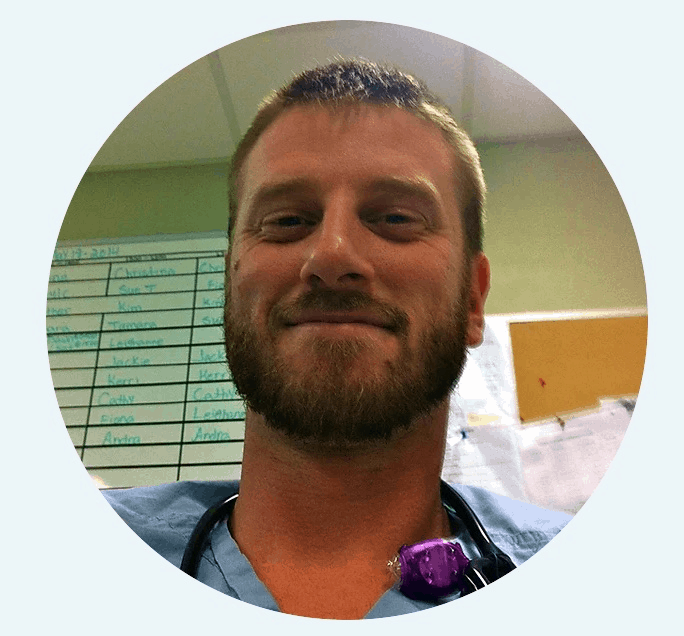
_Dr. Chris Keefer_
Chris Keefer is the creator and host of the Decouple Podcast. He is an emergency room doctor whose activist bent and desire to make the world a better place has led him to become a nuclear energy proponent.
Chris is the founder and a director of an organization called Doctors for Nuclear Energy.
One of his biggest current efforts is serving as the co-director of #SavePickering, an initiative open to all who want to save and refurbish the Pickering nuclear power plant in his native Ontario.
That plant is a 6 unit facility currently rated at just under 3 GWe. It is one of the primary tools enabling Ontario to have one of the cleanest electricity grids in the world, with almost no contributions from any fossil fuels.
But it is currently scheduled to be closed. As is often the case in North America, most of Pickering’s electricity production will be replaced by generators that burn natural gas.
Chris and I chatted about our shared interests in nuclear energy, protecting nature and empowering humans to achieve greater prosperity. We agreed that increasing access to clean, reliable, abundant electricity is a key to achieving our goals.
I think you will enjoy the show. Please let us know what you think by participating in the comment thread.
Transcript
Read transcript
There's a way, a way such a better way today, today. The nation's voice tells the world there's a better way, today there's a better way. This is Rod Adams and it's time for Atomic Show Number 282. And with me today is Chris Kiefer, the podcaster behind the decouple podcast. How are you doing, Chris? I'm doing very well, Rod. Thank you for having me on your show and thank you for being on my show because as the listeners may not know, we are recording a joint podcast today which we're going to release on both of our platforms. So everybody out there welcome as well to episode 17 of the decouple podcast. And yeah, it's great to finally have a chance to talk with you, Rod. Oh, it is wonderful to talk to you, Chris. I feel like I know you're pretty well because I've listened to most of your episodes and of course we've had a lot of interactions on Twitter and this. One of those neat things about our virtual world, a lot of people rag on it, people spending too much time looking at screens. When you have pod hobbies, like being interested in nuclear energy, sometimes the way you find people that want to talk to you about it is a lot. Absolutely, Rod. I can't agree with you more. Certainly, I'm what was my generation here. I guess I'm kind of millennial, a little on the older side of being a millennial, but I was born in a time without smartphones and internet, but I have some kind of skepticism based on that. I've definitely found ways that I can waste my time with social media and this online world, but I have to say since kind of catching the nuclear bug. It's just been such an incredible resource. The number of people I've been able to get in touch with sort of expertise I've been exposed to just really creative and fascinating minds. And, you know, that's the big thing really about this journey. More recently, I've spent a lot of time kind of in, you know, I guess in the activist world in a variety of relationships and forms. And was exposed to a lot of thinking, which became very stale after a while and wasn't really seeming to be addressing the problems of our time and since I've sort of again gone on to this journey and been exploring a lot of issues around what I call decoupling technologies, like nuclear energy or genetic engineering, et cetera. I've just met such, such fascinating and intelligent people. So it's great to finally have a chance to sit down and run. Yeah, well, I, I guess I would consider myself a father of millennials. You're a little bit of a father figure to me, I'll be honest. For me, it's funny. I, we talk a lot of boats, I guess sort of archetypes within, you know, the environmental world of people that are just concerned with the problems in the world, right? And this is something I keep sort of falling back on and being intrigued by is, is, I talked about it in my first episode, but this idea of kind of wizards and profits and this different ways of seeing the world and solving problems and this wizard approach being very much one of sort of techno optimism. And having some faith and optimism in humanity and its capacities and this more profit side being one that's very, I guess very negative about the hopes of humanity that we've made, you know, irreparable mistakes and we need to sort of retreat to kind of romanticized past. And, you know, in my own life's journey, I very much was on that sort of profit side that back to the lander, neo-letite. So I think all you were at the very forefront of the internet, I was desperately trying to escape it running off to the euchontiratory and living in the, and the faraway mountains for a few years. So it's, it is kind of funny how, how, you know, things change over time and attitudes to technology for certainly for myself have changed a lot. You know, I've always enjoyed the natural world. My, my parents were, were children of the depression and knew how to get along with very little and would take us camping. And I still remember taking a trip from Florida to Colorado and back with a big loop in the middle that included a trip down into Mexico and, you know, family of four camping in a Volkswagen pop up. And many, many, many, many. And my mom was very proud of the fact that we managed to do this wonderful camping trip through weeks on the road and we spent a grand total of $600. Wow. And that was back when we would find, you know, the kids would be on the lookout for the gas wars because we'd go to a place and there was four corners and a gas station that every, every part of the intersection. And, and they were vying for who could sell gas for the lowest price and believe it or not, that was the year that we could get gas for under 25 cents a gallon. I got to say gas got pretty cheap here with COVID back in April. We do it leaders up here, but it was down to something like 60 cents a liter. Yeah. Four of those in a gallon. So yeah, no, it's, yeah, it was, I was going to say 60 cents a liter is still $2.40 not 25 cents. Okay, yes. Yeah. There goes my numeracy again, we're going to say we had. It's all right. You know, you're, you're, you're a, you're a doctor. Well, you know, it's the nurses that are really, the nurses are really the numerate ones, right? They're needing to process the orders and, and, you know, get the infusions ready and program the pumps and things like that. Not to say that all doctors are as bad at math as me, but I think it's, it's pretty well known that, uh, that the nurses are kind of dominating the basic arithmetic side of things there. Well, I always thought that doctors were bad at handwriting. That's what that is key, right? That is, that is one of my shortcomings definitely. And then you do kind of get a weird look at people and when they, you know, if I have a student coming through a resident or a medical trainee and their writing is too good. I am a little suspicious, but, but we come in all stripes. We come in all stripes. So what got you interested in nuclear energy? Well, Rod, funny you should ask. Certainly become a bit of an all-consuming thing in the last couple of years, but, um, you know, I like you. I've, uh, I've always really, really enjoyed nature. I've had a real love of the natural world. Um, you know, I, I grew up in a pretty rural area. I spent God, my mom would just kick us out of the house at nine in the morning. We come back at five or six in the afternoon, go fishing all day out in the woods. Um, and so I have a real appreciation and love of nature and the environment. Um, and, you know, more recently, um, started to read a lot more about, about climate change and got a little bit into the, you know, I kind of scenario where the, the more you read, the more kind of concern that you, you get. Um, and, um, lucky to be laid from the book, right? I mean, luckily I was reading, um, someone who is, I guess kind of an eco pragmatist or, you know, someone who didn't just send me down into a sort of doom and gloom path. We've had actually suggested that there were some meaningful solutions out there. So, um, you know, that was, that was Mark Linus. Um, so he wrote a very authoritative book called Six Degrees, which is a really, and I guess degree by degree description of kind of what we face, depending on what actions humanity takes towards, um, recognizing or not. You picked it, picked it, picked source. Yeah, it's a very good source. It's a good book. Um, I would highly recommend it. Um, you know, it's hard to wait through any primary literature in the IPCC and he's kind of done that job for us. Um, but as, as we know, um, Mark Linus is also someone who has really kind of wrestled with biases and with the science, someone who was radically anti genetic engineering. Um, really out of kind of tribal political loyalty more than, you know, really delving into the evidence behind it and you later became a science writer wrote about climate change wrote this authoritative book and had it pointed out to him by some of the scientific acquaintances he'd made that, um, you know, if he respected the scientific consensus on climate change, he really ought to look and reevaluate his thoughts about the, uh, the scientific consensus was so clear on genetic engineering being as safe or safer than, you know, conventional agricultural practices. Um, and so, you know, Mark really opened my eyes to the potential for nuclear energy, um, to be a transformative tool for the energy transition and for trying to limit, uh, anthropogenic climate change. Um, so it got me a little bit curious and, um, yeah, I kind of dived on the rabbit hole. I would say that, you know, I've heard of your podcasts. Um, I think your dad worked within the energy industry and, and you know, you kind of grew up with a real sense of wonder about the atom and the potential nuclear and I grew up in, uh, you know, a kind of progressive lefty, um, household. And, uh, there's a lot that happens just sort of by affiliation who you're born to what, what community you grow up in and there's a lot of kind of beliefs that are just kind of imprinted upon you without really thinking about them or evaluating them. So I definitely had, um, anti-nuclear biases. Um, I'm from Ontario, Canada where we have, um, 65% of our energy is nuclear and a couple of the plants that are fairly, fairly close to the large population center. So I would, you know, drive by them on the way to my parents' cottage, for instance. And I remember even two or three years ago, I sort of hold my breath as I drove past pickering. One of our nuclear generating stations, which, uh, in a twist of fate, I am now, um, leading a campaign to save. Um, but in any case, it just wanted to improve your breath going by nuclear plant. So, um, I think that's the right thing to air is so clean there. I know, Rod, I know I've learned a lot. I've learned a lot. So it's given me a real perspective, I think, and hopefully an ability to be able to communicate to people across, you know, the whole spectrum. Um, because I've, I've really sort of experienced both sides or I've experienced, you know, um, what it's, what it's like to occupy certain positions and identities and then change my mind. I think somewhat like Mark Linus had to do, a bit less of a sort of painful process because of pioneers like Mark or like, um, you know, Michael Shellenberger is also kind of blazed that path of changing his mind and embracing evidence. Or Stuart Brance, you know, those are you still in close contact with some of the members of the tribe that, uh, yeah, belong to. Yeah, absolutely. I mean, and it's interesting because I started sort of posting prolifically on Facebook. I mean, I would often just cut and paste sections of books that I was reading and keep my notes, essentially kind of publicly on my Facebook feed, my Facebook feed. And, you know, actually, I've convinced a lot of people in my, in my surrounding social circle and it's been a real, I think, lesson in, you know, how to be a communicator on this topic. And, you know, I've been talking about this recently with some other sort of pro nuclear communicators. How much time we need to spend not just on speaking the truth and, and making the facts accessible and telling good stories, but also just communicating what our values are, right. There's a lot of distrust, I think, out there for, you know, people who do come out as pro nuclear, they must be some kind of a shill or bought off or they must have betrayed their values. And I think it becomes clear in talking with, you know, people like you who care deeply about the environment. I see you posting all the time, you do a lot of bird watching. So, we are values like you haven't had the sort of road to Damascus sort of change in your outlook, but for someone like myself, I mean, my values are the exact same. I care deeply about conservation about preserving the environment about a stable climate and care about, you know, cleaner for my kid. So I think maintaining that continuity, it's been, it's been useful and people have social media gut does get people that window to see sort of what you're thinking about and that you're still the same person. So I think that's been, that's been useful. So yeah, I'm still in touch with folks from the tribe. And I think I think while still being humble, I think I am changing a lot of minds, which is, which is a really nice thing. Yeah, one of the things that I've discovered, I don't have very many people, very many friends who were anti-nuclear to begin with, but it seems that most of the people that I know who were. had a very shallow sense of, you know, a vague sense of being anti-nuclear, rather than a strong, you know, well, well thought out or even, you know, firm belief system. It was just sort of, you know, the thing that everybody did and they're always curious. They just, they tell me they haven't heard much about it. They were never really exposed to any information about it at school. And so they just kind of get adopted, just vague sense that they should be opposed to it until they, they really get the opportunity to learn more. Is that something that you've come across? I mean, you would describe me and exactly, you know, in what you've just stated, right? That was me for sure. I think it is interesting because, you know, amongst pro-nuclear advocates, I think we are often really on the back foot. And sometimes really, you know, we feel like we're in a bigger minority than we are. And I think there's really a kind of spectrum of people's attitudes towards nuclear. And there are some, you know, really, really hardcore anti-nuclear folks who, you know, hold really, really firm positions. They've read a lot on the topic. I think they've probably read mostly within an echo chamber that sort of reaffirms cognitive biases. But they're there. I would say they're actually a pretty small sort of part of the anti-nuclear spectrum. The much larger areas, people that just, you know, have some concerns that have not been well addressed or they've been addressed, unfortunately, by the Simpsons, for instance, in terms of, you know, getting a sense of what, you know, use nuclear fuel is or some of the other issues. And yeah, I find with those folks, once you have a chance to sit down with them and, you know, explain some of the intricacies of the technology and the potentials that it has to offer, you know, folks are, there's a big kind of mushy area of people that I think are really quite invincible. And especially, I think, you know, as the issue of climate change has become such a, you know, it's taking a lot of bandwidth up. And I think for a good reason, I'm, you know, I know there's sort of a spectrum as well of where people stand and climate change from, you know, alarmist, apocalyptic alarmist, who, you know, people who are greatly concerned, people who might be complacent or skeptical or, you know, there's this big spectrum, right? But in general, you know, if you ask me, like, why did I get into nuclear? It's absolutely for climate reasons. And then, you know, as a physician, I've learned more about clean air as a result. And that's been sort of, you know, I guess my secondary big motivation. So yeah, I think those provide really, really strong and irrefutable arguments in favor of the technology. And that's going to help people to shift. I think the issue is, is that pro nuclear advocates were not very well organized, right? You know, when you look at the combined revenues of, say, green piece in Sierra Club and all of the sort of traditional anti-nuclear or environmental groups, it's multi-billion's. I've heard it, you know, $8 billion potentially, right? And that that translates into very polished and finesse campaigns, excellent websites, great resources. And, you know, while I'm sometimes accused of being a show, it's pretty hilarious. I mean, exactly. I mean, you know, I made a website for this doctors for nuclear group that I started. I just did it on my own wicks. And, you know, wicks gives you a bit of a slick, looking platform. And, you know, people like, well, you must be paying right industry for to have such a nice website. It's really funny, but we're just, we're not organized. And I think that's really a gap that needs to be filled in. We need to find ways to, you know, if we're going to win this argument or at least, you know, have a fair sort of battle of ideas and, you know, to choose the best solutions to solve humanities problems on the way forward. We really need to figure out how to communicate better and really un-emobilize some resources to do that. Well, you probably heard one of my main theories is that the opposition to nuclear is very similar to the opposition to GMOs. And the real underlying root cause of that opposition is the fact that both of those technologies represent the potential for massive abundance in very large industries where controlling the supply is a very large part of what makes the profits flow in those industries. Yeah. Both agriculture and energy have, in large part, if you look at the history, been dominated by people who figured out how to control the supply so they can charge very profitable prices for their commodities. And once you unlock the keys and start saying, well, I'm sorry, but this particular substance that you've been charging, you know, X number of dollars for, you know, because you have the control of the market, I know how to produce it for, you know, one third or one half or one tenth of X. And I want to take some of your market share. And so the response for those is to make people afraid of these new technologies. And you mentioned luddites, you know, the people who turned over the looms were not people who were really afraid of the technology. They were afraid that technology was going to interfere with their very prosperous living because they were the guilds that used to do the weaving. I mean, I guess they had the ability to charge very high prices for their cloth. And once somebody figured out a way to produce it very cheaply with an automated loom, their income was being threatened. You know, that's what GMOs do. That's what nuclear energy does. And it is something that we should be aware of and then try to frame our arguments and frame our communications with that knowledge, knowledge that, you know, we're actually being opposed by some pretty unpopular people. Yeah. You know, there are some surveys that say that even the US Congress is more popular than hydrocarbon companies. Well, the thing is the hydrocarbon companies don't come out and directly do battle with nuclear. They tend to do it through their natural partners in terms of the renewables industry, right? So. Well, not, and that that's true. But they also, there's how do you think the anti-nuclear organizations became so large and well funded? Could it have anything to do with fossil fuel funding, right? Who knows? Of course, you know, I've written a number of articles that have found little hints and some hard evidence that shows very specific contributions from fossil fuel interests. And I use it, it's not just oil companies who make money from oil. People who build pipelines, people who own tankers, the banks who finance companies, the governments that collect taxes, the governments that are in places like Russia or Saudi Arabia that are, you know, known as petro states, were selling oil and natural gases, their main source of revenue. You know, all of these people are what I classify as hydrocarbon interests. Right. Right. And, you know, it's broad and it's, it is important to understand that I'm not against fossil fuels. I probably have driven somewhere close to two million miles in my life. You know, we have a, we have a fairly nice large SUV. It's just our only car, but we have a lot of, a lot of grandchildren, so we need a car big enough to fit them all. And it's a 2017 and it has nearly 80,000 miles on it. Wow. Well, you know, we have kids distributed around the country and we need to travel to see them. We need to, you know, go places and visit people. And, you know, I saw, I'm not supposed to fossil fuels. I do feel bad about the effects on climate. So my effort is to try to make alternatives as clean as possible and to be able to displace some of that hydrocarbon. I'm, I'm really hoping that someday I'm going to buy an electric car. Just wait for an electric convertible. I mean, I think obviously the kind of individual choices thing has been a bit of a dead end in terms of, you know, making any kind of a meaningful impact. But it is a real question to spend eventually, you know, I'm in this world as an individual and make individual choices. But, you know, for me personally, it led me to sort of analyze like, well, how could I make the biggest difference? You know, is it from driving electric cars, it from, you know, sorting my recycling better? And I know people right now that one of the biggest, most impactful individual decisions, individual things somebody could do is to sit down and write a one page letter to each of their congressman and senators and say, I'm in favor of nuclear energy and I want you to do everything you can to support it. Yeah. And that's, you kind of stole my thunder there, Rod. But yeah, that's, that's kind of the question I was asking myself and I was, I was looking around and sort of people I admired. And, and I convinced myself the biggest, I know the largest amount of carbon I could displace would be if I save my neighborhood nuclear plant. So yeah, we're new nuclear plant is huge. It is. Yeah, it's uh, and it was built to be four gigawatts. It's down to go through 3.2 gigawatts. And uh, yeah, it's called Pickering. It's about 60 kilometers from where I'm sitting recording this interview right now. And it's part of what has made, you know, where I live Ontario, um, one of the kind of cleanest electricity jurisdictions in the world. And uh, it's been interesting reflection. I think I've told the story way too many times, but my ex at one point said, you know, I want to just stop bitching about the climate all the time and go and actually do something. And uh, rather than start the recycling and uh, compost better, I started working in a nuclear and trying to not working in it, but working to try and save it. And uh, and that's really been a part from the podcast. Um, kind of my major focus recently. Um, because again, I mean, there's you know, you just have a big event. Yeah. Yeah. So we were part of the global stand-up for nuclear event, which is still going on and cities around the world. I think I don't know they keep adding cities, but they were in mid 40s anyway. We were one of those places. Um, and uh, and yeah, I mean, we've done the calculations. It looks like, uh, 12 million tons of CO2 will be burned if we replace that nuclear power plant with gas. Um, and so it's become, you know, every year, every single year. Yeah. Yeah. No, I was, I was like trying to find, like I'm doing a lot of the communications for this campaign, this uh, campaign to save particular power plant. And I was like, what is a ton of CO2 look like? And it's kind of funny. There's some climate protests where they'll blow up a huge balloon or the ton of CO2 or the equivalent. And you know, it's just, I find that's a really interesting thing with nuclear advocacy is, is, you know, our arguments really rely on data on numeracy, which I've already exposed earlier in this interview that I struggle with at times. Um, but the it requires knowledge translation, right? And creative tools to communicate that. Um, and so I think that's, that's been a really kind of interesting challenge for me recently is again, how do I take that individual action to make the biggest impact I can, you know, so I can tell my son, I try it. I'm still trying to make the world as level as I can for you. And yeah, it's strangely it's a sort of fun satisfying thing. But certainly, you know, back to those perspectives of people thinking that you're some kind of industry hack or you're doing it for money. We are fighting for the underdog, right? It's wild. Yeah. And the grid delivered electricity is available to everybody in our countries. Yeah. And making that grid delivered electricity as reliable and as cheap as possible is fighting for the underdog. You know, my, I don't have a conversion story and part of the reason is, as you mentioned, my dad was an electrical engineer. The word for the power company. And I always believed or was taught to believe in. And first of all, dad was probably the most admirable guy I ever knew. But, you know, the delivering electricity is almost a calling. And part of that for him was he was, was born in Jacksonville, Florida, but very early in life was moved to live on a family farm in southern Georgia. This was in 1920s. And there was no electricity on the family farm. That was before the rural electrification administration came and brought electricity to his farm when he was maybe 12 years older. And that moment was a huge revelation for him. And I'll enable him to see a completely different world. And, you know, that electricity, you know, eventually enabled him. He moved to the city and went to high school and did well enough in high school to become a technical trainee with the U.S. Navy in 1942. And, you know, with the GI Bill in 1946, went to college and studied electrical engineering. Because that was he thought one of the most important things he could learn. And, you know, that, you know, I think you've talked about Hans Rosland and his story about the magic washing machine. Absolutely. Yeah. He heard that on one of your podcast. It's an amazing thing to be able to bring power to the people. And, you know, you and I have both, you know, I've done camping. I haven't, haven't had to live. I volunteered to go and live places where there was no electricity for a few days at a time, by the way. And it's about like a handle. But I know what it takes to gather firewood. I know what it takes to, you know, carry kerosene or light candles and those kinds of things. It's hard work. Absolutely. Absolutely. And I mean, it's something, you know, that we just take for granted, right? Like when you tell the story of your father, you know, there's a lot, like, you know, again, the communities I grew up into. There was a lot of kind of urge to worse or, you know, simpler times going back to the land. Just this romanticization that is a luxury that springs out of having grown up with, you know, a decent quality of life. You know, you certainly won't find people who grew up with electricity who then get it who long to go back to it, obviously, right? And that's kind of the problem of this, this romanticism, especially when it's applied more broadly by people in the first world who are wealthy towards the aspirations of poor people that have never tasted the benefits of electricity. You know, I did that interview a couple weeks ago on the solar electrification project in the Greenpeace did in India that fell apart. And, you know, hearing the stories of, you know, a kid who, you know, had a lot of chores and things to do and, but really wanted to get an education. And so he would wake up at four in the morning before he had to go work at six in the fields and, you know, want to be able to study by that little light bulb that unfortunately wasn't sufficiently power for him. But you hear those kind of stories. And I mean, like I mentioned this kind of, I was that I absolutely was kind of a back to the land type guy. I mean, I spent months living with that electricity. I was a horse wrangler and hunting guide in the middle of the Yukon for three or four months a year. And I mean, it was beautiful. It was a real luxury. It's funny kind of the environment you grew up in early shapes what you think is desirable and wonderful. I still long for that at times. I'd love to get back out there. I love camping. I like roughing it, you know, but I would never sort of impose that or think that should be someone else's value. When you're lucky, don't you miss having a shower. Oh, yeah. Oh, come on. Yeah, for sure. That's the best. I mean, they call type one type two and type three fun. Have you ever heard of that before? No. I mean, so type one fun is just total heat andism. You just have in a great time. Like it's unambiguous fun type two is a little bit of both. And type three is just you're going through hell. You're suffering. It's awful. But it's the kind of thing you look back on and know a bit of pleasure. I'm a little bit of, you know, you celebrate that grit and whatnot. Yeah, I mean, some people are just, you know, I guess I've had some of that. I, I, you're in the near in the Navy, right? Well, and I also used to do some offshore sailing. Okay. Now, there are times when you're sailing offshore that you're definitely into type three fun. Yeah. Yeah. You know, there's a lot of adventures that I look back on and and have got build up some great stories, but they were a little bit scary at the time and quite uncomfortable for sure. And not pretty freaking cold at times. Yeah. And wet and soggy and and hanging over a very deep ocean. Yeah. So you've been deep under that ocean too. I was just, you know, preparing for the interview. It's did a quick little reminder and you, you were, I think spend 40 months at sea winds or something is that right? I told my, my total sea time is somewhere around 40 months total. And so how long like because these nuclear subs can just stand or water for years, like how long were you underwater for? My longest was 70 days at a time. Wow. Wow. And I did, I did that 11 times. So 11 times I was, I was gone for roughly three months at a time. So it, it, but you know, the one of the things that you know, you talk about the fact it been deep underwater and I have been, but if you were to draw a graph of the water depth that we were and draw a line as to what our or definitely it was the, it's amazing how much more water there was below us. Yeah. And when people talk about things like water scarcity, I think to my, I think about my experiences on the world's oceans and know how deep they are and know that, you know, this earth has an incredible quantity of H2O. Yeah. You know, way more than anybody ever needs. And I know that all there is difference between H2O and salty H2O is a little bit of energy. Yeah. You can convert salty H2O to clean H2O very, very easily with a little bit of energy. Yeah. But you want to have that energy be clean and you want to be cheap. Yeah. And we're going to, and the things we're going to need it more and more as, as you know, there's more stresses put on to us by by these these changing climate conditions, right. Got more drills are going to need more energy. And that's, that's the big fundamental error I think of kind of big green or traditional environmentalist is at the exact moment where we actually need to be planning for, particularly electricity, we need more electric energy. You know, they're, they're trying to make these arguments about I mean conservation is good. We do need to try and, you know, we need to build so much more electricity might as well use what we do produce wisely. But, you know, the challenges are enormous ahead of us, right. I mean, just just in terms of heat stress in the sub tropics like people will need air conditioning for large. bunches of time just to survive that kind of heat stress. So, well, I'm not only air conditioning. I mean, I want places to have gigantic public swimming pools. Yeah. I want, you know, people to, I mean, I'm a water guy. It really is if one would would classify my experiences in life. You could use the word water in almost every one of them. Yeah. I was a competitive swimmer. I was a sailor. I was a navy guy. And water is, is, is key. Yeah. I mean, we have a backyard swimming pool. We live on a pond. I love the water. And, you know, the fact that water needs to be clean to be useful. And it can be clean so readily with energy. Yeah. And, you know, that I'm also, you know, I've done the numbers. Energy is not something dear that needs to be tightly conserved. We have an abundance of available energy. And, you know, we simply have this belief system that's been imposed on us that we need to. You know, somehow, wall ourselves off from this abundance and use these, you know, less abundant sources carefully and conservatively. And, you know, heck, I know I grew up in a household with depression parents. Yeah. And I was born in 25, mom was born in 33. You know, they taught me to be very conservative and to be very careful about things. And, you know, that there is a philosophy there. And I have often, you know, without, you know, banging on my parents because very nice people. They're terrific. And they were very generous to us. And, you know, but that philosophy of being very, very careful and tightly conservative is what made the depression. Last as long as it did. You know, sometimes you got to get out and spend some money. Yeah. You know, move some things around. You got to, you know, use some abundance and be careful not don't throw it in the, in, in a uncontrolled locations. I'm huge anti-liter. And I will often be picking up trash along the road and also I hate that kind of waste. But I have no problem with landfills. Yeah. You know, you pick up the trash carefully, you put it all in a landfill. And people say, what do you do that? I said, well, you know, after a few years, maybe someday we'll start separating landfills into useful material using plasma separators because we have plenty of energy. And we'll start mining landfills. Landfills. Yeah. And I'll, it all hinges on energy. Yeah. People complain about plastics. I say, well, you know, you complain about plastics, but plastic is a hydrocarbon. It's not being thrown into the atmosphere. Yeah. Yeah. It's, you know, the CO2 is sequester. You have a plastic. It's, it's there. It's, it's, it's, it's not burned. It's not thrown in the atmosphere. And we're not making things that have horns, built tortoises or whatever. Right. Exactly. Yeah. Exactly. Yeah. Who did, what did I read about that? That was a separate relationship. Yeah. Yes. Shell and Brutus did that too. Yeah. I just read, um, watched Robert Bryce's, um, movie about power, what it's called, juice the movie. You know, an amazing story of how important electricity is to the, to the world and what it is done for us and, and what kind of things we're doing with modern technology. And, you know, Shell and Brutus has some of the, the same arguments for a don't be so down on plastics. And by the way, I, I was in the plastics business for about three years. I ran up a small plastics manufacturer facility. So maybe I have a bias. Yeah. But, I realized when I was in the plastic business, it an awful lot of the things you've heard about plastic was told to you by people that sold aluminum cans or, or steel bumpers or, you know, various competitors to, to plastic. Well, I have to say as, as an emergency physician in the midst of the COVID pain. And then I am very, very grateful for plastics and many shapes. It's a sterilized plastic, right? Yeah, yeah, they little bit of cobalt 60. Exactly. Yeah, we are not to pump on territory too much, but yeah, our candy reactors produce most of the cobalt 60 in the world. And I think we sterilize something like 40 or 50% of the world's single use surgical instruments. So yeah, it's a good combination. Another one of your reactors in Canada is doing a lot of manufacturing with technetium. Yeah, it used to be done in an old reactor there in Canada and finally, once that reactor shut down, I guess some of the Bruce, and I'm pretty sure it's a Bruce power facility. Yeah, the other risk of trickery now. Yeah. Been modified to be a producer of technetium, which is certainly an important medical attitude. Yeah, absolutely, absolutely. And that's something that's just so underappreciated, right? And I think that's another common theme, people identify that, you know, when something that's scary to us, like, you know, radiation or genetic engineering, when it has a direct personal benefit to you, like if you're an anaphyr diabetic and you need insulin, you know, you will in a heartbeat take that insulin, that's a product of genetic engineering rather than ground up, you know, pork, pancreas or if you have, if you have cancer and you need radiation treatment and a heartbeat, you don't think about it or you need a diagnostic imaging test, you know, fear of radiation is not, it might be there, but it's minuscule, right? But, you know, what is, what is a collective benefit, right? And the form of, you know, a crop that's disease resistant or, you know, energy that is non-air polluting and missions free, for some reason we can really lose those arguments, because I'm not sure if it's just people being, you know, self-centered or what, you know, and I think it's often people that see themselves as not being that way, right? People who maybe are progressive or think of themselves as being all for the community, but often reject technologies when when they're applied on a collective level, they're not comfortable with tiny risks for a collective benefit. You know what I mean? Yeah, I understand. And, you know, again, I think that if you really pulled the string, you'd find an off, you'd find some, some agricultural money or something behind some of the opposition to genetically modified organisms, you know, some of the campaigns that line us as identified, you know, fighting against things like the yellow rice, I guess, or is it yellow rice that golden rice? Yeah, yeah. Golded rice. It has the ability to eliminate some really tragic health concerns. Yeah, if I am an native, it's the child blindness, for sure. It's wild. It's wild. The kind of contouritions that people put themselves through to try and prevent these technologies from developing or just, you know, disease resistant bananas in a country like Uganda, which is, I think, you know, it's a huge staple food. And, and it's, you know, it's folks in the, it's just term I heard recently, like after reading a Michael Schallenberg book, I was like, what is the term? Like, how should I describe what's going on here in terms of, you know, the denial of of technologies to, to their world countries? You know, eco imperialism, I think, is one way to look at it. And I remember being like, well, like how much influence does like, you know, a European green party or an NGO like Greenpeace actually have on these things in terms of, you know, the decision making of, you know, Uganda, for instance, to prohibit any genetic engineering use in the entire territory or something. And it's actually there. Like, you know, the green parties in Europe often, because of their system of democracy where, you know, I think it's good, they have proportional representation, you get more political parties representing the whole political spectrum, but it does give some groups kind of disproportionate influence and when, you know, there's a key swing vote or yeah, they are the coalition that's required to get to the territory. Yeah. Yeah. And then, then you get these kind of blanket banning of genetic engineering and, you know, import bands, the threatened African countries if they were to start using, you know, pragmatic tools. I think Linus had a great line about, you know, they want to, they want the Africans to solve their agricultural problems with the oldest possible tools, you know, it's ridiculous. It's ridiculous, right? But, you know, one of the neat things that I saw in Robert Bryce's new new book in this was on new film, I guess. One of the things that really, you know, I'm sorry, take that back. It wasn't Bryce, it was a new, another one called Switch On, which is by Scott Tinker. He's a professor down in Texas at University of Texas and he did a movie called Switch several years ago, like 2012 or so. And Switch On is a sequel to this. But in Switch On, there's this really amazing new technology that is going to, I think, make a huge difference. And it's basically just a solar panel charging a battery that supplies a water pump. And Africa's got a tremendous system of aquifers naturally there. You know, they really do have a lot of clean water you just have to dig down to get it just like you do in many parts of the US. You know, if you can dig a well, you've got water. Well, this, this farmer in an area that has, you know, regular droughts that's just a part of their weather pattern. They go for months at a time with no rain and then they have, you know, lots of rain. But he's got a water pump. It's charged by a solar panel and he can pump out water and irrigate his, his vegetable crops. It's an amazing little device. And, you know, why that, to me, is is one of the things that, you know, these organizations that want to really, really improve life for people should think about doing those kinds of things. That's, that's the kind of distributor of energy system that I like. I think that's interesting and it's important because, you know, there are these, like I'll call them niche applications, right, for, for solar energy. And I think when, when we talk sanely about it, you know, we can make logical and intelligent decisions about how to use a technology and what you're describing, you know, for a rural remote area without electricity in terms of the grid, etc. You know, for media, water needs like that, that's, that's a great use of solar technology. But the problem is, is that people then, you know, try and sell that technology as the tool for something is just fundamentally not built or, you know, physically capable of, of, of accomplishing, which is, you know, deep decarbonization of advanced industrial societies. Yeah, it's, it's really not appropriate to try to use solar technology to supply grid electricity. Yeah. It's just not really the best use of the technology. I mean, I have, I have recently have installed 2024 solar power lights around my house. Beautiful, beautiful things. They, that some of them are very decorative. They have, they look like, like, tiki torches, but they're a little LED light that's designed to, to, to look like a flame. And it's, it's beautiful. But, you know, they each have their individual lights and some of these, depending on which light you're looking at, I can get up in the morning and some of them are still burning because they, they're on the right side of the house to get the maximum amount of sun. Yeah. Some of the others are don't last that long because they don't get that much sun. But, you know, that's a good use of solar cell technology, the calculators, the water pumps like, you know, that you don't need to run the pump all the time. But things where you want to run it all the time, why would you want a power source that is going to have 12 hour shutdowns, 365 days a year minimum best case scenario. Yeah. Yeah. Anyway, that is a good question. That is a good question. And especially in once you get, you know, further north, once you get into places like Canada, you know, you've got to get some pretty dark days. Oh, yeah. No, our capacity factors up your, you know, best case scenario, about 15%. And, uh, yeah. I mean, you've got some, some days where the sun is up a long time. Yeah. But, you know, just, that's the way it is when you get far from the equator. Yeah, for sure. And I remember when I was up in the Yukon and the mountains there, the sun really never went down. You have sunset it would, it would tend to up behind one mountain and then pop up the other side laterally. Right. And that was kind of your right time. That was the sunset. Oh, it's set again behind the next mountain. Just circling and rising. That was very cool. All right. Hey, Chris, I'm enjoying the heck out of this split is I told you when we started, I've got, uh, we've got guests coming over on Friday evening. And we're having a, you know, a small outdoor happy hour. Excellent. Excellent. You know, when I set up and, and some of our neighbors are going to come over people that we've been hanging out with and, and, and we, we know where they've been. They know where we've been and, and we feel very comfortable about that. Yeah. Yeah. Just keep it outdoors, man. That's, that's my medical advice for sure. Yeah. Well, you know, I think the, the Japanese advice has been really good. I think people need to, they hit, they talk about the three seas. Having heard about that, tell me. Yeah, you avoid crowds. Yeah. You avoid closed spaces. And I can't remember what the third one is, but I have to chopsticks like don't share chopsticks. I'm not sure, but it's, it's avoid crowds, avoid closed spaces. I wanted to make sure I get it right for you. So I went back and lifted up. The Japanese three seas are avoid closed spaces, crowds and close contact situations where people are talking face to face. I'm concerned about those who think they need to stay indoors all the time locked in their own homes. They're just not the best way to live. It certainly isn't. No, no, there's a lot of, a lot of mental health stuff going on as a result of, of those stresses for sure. Yeah. Okay. Run. Well, let's, let's you get running. It's been really great. Now, in a chance to chat with you and meet your finally. Yeah. And we'll have to get together and maybe plant some other topics. But it is, it is really heartening to me to have a guy with your background and your professional training. I'm happy to meet you. Happy that you're doing what you're doing. And good luck with your continued success with decouple. All right. All right. Thank you so much. And of course, the Tom McIncisco was, was definitely an inspiration for finally getting me to start my own podcast. So thanks for doing what you're doing. And she's pickering. Absolutely. Thank you. Thank you. All right. Okay. Bye for now. Such a better way today. Today. Now, reach your voice. Tell the world there's a better way today.