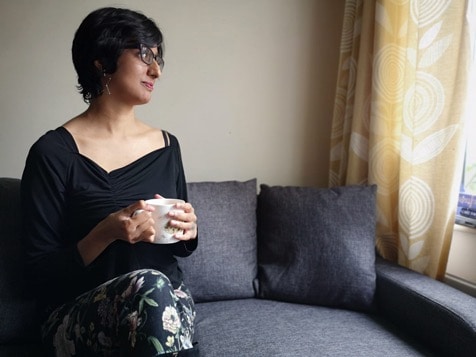
Zion Lights – Director, Environmental Progress UK
Concepts discussed
Auto-linked from the episode's notes and transcript.
Show notes
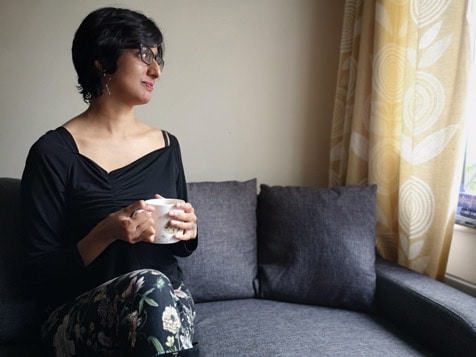
_Zion Lights _
Zion Lights is a formally trained science communicator, author of a carefully researched book titled The Ultimate Guide to Green Parenting, and an experienced environmental activist who worked for a year as a spokesperson for Extinction Rebellion.
About a month ago, she began openly advocating for an expansion of nuclear energy as a major tool in the battle to reduce greenhouse gas emissions. Her conversion wasn’t sudden, she spent about a decade independently learning about the value of nuclear energy.
Even after she had decided that nuclear was far safer and more important than she had been taught to believe, she was careful about openly advocating for the technology. That was something that just wasn’t done by her peers and close associates.
While still a member of the Green Party, she realized that curiosity about nuclear energy was almost taboo. That realization led her to almost immediately leave the party because she did not understand why such an important topic could not even be discussed.
With a growing sense of unease about the directions taken by some of her fellow members of Extinction Rebellion, Zion decided to leave the organization. Coincident with her separation from XR, she and Michael Shellenberger had several widely separated conversations. Eventually she accepted Shellenberger’s offer to become director of a newly-formed UK branch of Environmental Progress.
Zion and Michael have determined that the UK is an important center of nuclear energy industrial development. She is bringing her experience, education and passion to the task of spreading good news about nuclear power.
We had a wide ranging discussion about her journey from a firmly entrenched member of the Green Party, activist environmental organizations and even an environmental alarmist to become a vocal proponent of using nuclear fission to enable clean prosperity.
Please join in the discussion and welcome Zion Lights to the community of pro-nuclear advocates and technological optimists.
Transcript
Read transcript
There's a way, a way such a better way today Today, the nation's rise till the world There's a better way, today there's a better way This is Rod Adams and it's time for another atomic show And I'm really looking forward to this one because I am going to be talking with Zeon Light's author of Green Parenting, Former Spokesperson for Extinction Rebellion and now Leader of Environmental Progress in the UK. Welcome Zeon Hi, Rod, thanks for having me It's terrific, I'm glad that you reached out Those people in the US who might not tune into the BBC on regular occasions and have heard about you and seen you on a number of different shows Can you tell us a little bit about yourself? I have a background in journalism and environmental activism I've been involved in various campaign groups over the years and yet I published a book, I think it was 2015 called The Ultimate Guide to Green Parenting So I know that for a lot of people it looks like, wow, she's gone from reading this green activist to now being a nuclear advocate but actually it has been a journey So that book is an evidence-based book And after that book, and after the chapter on vaccines And that book caused some controversy Because it just displayed the evidence for why we have vaccines And people sort of said, oh my goodness, I can't believe you're pro-vaccied I realised, wow, science is really controversial So I went back to the University of the Masters in Science Communication To find out how to unpick some of these arguments And communicate with people about these issues And then later I was asked to join Accenture Rebellion as a spokesperson Which I glad me took up because to me it looked like, they're talking about climate change, they're using the IPCC report They've kind of got a Unite behind the Science thing going similar to Greta Tumburg And I was with them for a year in their media team And founded and edited their newspaper It was a national newspaper at its peak We were printing 180,000 copies And distributing them around the UK And that was kind of, that was really important to me because It was reaching people outside of the echo chamber Because people were giving out at tube stations and train stations And posting it through people's doors And they were peep, you know, it was going to people that weren't easy to reach online And it was just a climate, the idea of the newspapers just climate reporting So it was completely, you know, politics-free, you know, party politics-free And it was just kind of different voices on different issues And looking at, you know, maybe how can we resolve some issues? But I realised then that, you know, it was... There were some issues that people are happy That green activists are happy to throw their weight behind And there are some that they aren't and nuclear kind of kept coming back to me as this thing Where I kept thinking, this is actually a really good solution But no one in this movement is going to come out and support it And, you know, there are lots of different solutions in different areas And transport and, you know, land management But people support those measures, they support rewarding They support renewables, you know, they support, you know, cycle lanes But with nuclear there's not a lot of positive advocacy on that side So I decided they're both going to throw my weight behind any solution It should be this, and so ended up having a conversation with Michael Schullenberger And he offered me this role, new role as a director of environmental progress which I've got to be taken up and have now been in a month I've been doing for a month, and yeah, it's been really interesting So what is it about nuclear that has fascinated you and caused you to decide That it's worth stepping out from your social bubble or social environment and say, I think that this is the evidence here strong And it's worth looking into, and what was it that caused you to get excited Because you are excited, I can tell I am excited, well I think actually if nuclear power was discovered today We would see as the biggest success story, you know, I think we would see as the best solution to so many of our problems, and I know that energy, people say energy is only one part of the The one part of the problem with reducing emissions to tackle climate change But actually, energy is a really key one because with more energy we can do so much more And yeah, you know, a lot of the things that I had believed about nuclear that turned out when I looked at, actually started looking at research, turned that not to be true Just made me more and more convinced that, wow, we already have this phenomenal solution today And again, I know people say, well it would take years to build, but imagine if we had built a number of reactors, you know, 20, 30 years ago 30 years ago I was learning about global warming in school, right? We knew it was happening then If we had built them then, then we wouldn't have rising emissions now We just wouldn't have them on the level that we have them, and also we would be able to help developing countries to develop, without putting all these kind of sanctions on them, saying they can't use fossil fuels Or, you know, they only have to use renewables, which only give them so much energy We would be able to support them, you know, and I think actually, wow, what an incredible So it's almost like, because I came from this background where pretty much everybody's anti-nuclear, you know, just Just as a matter of course, just not, you know, they just haven't looked at the information It's a very, it's an ideological thing, right? And a fear-based thing You know, I've then discovered something, almost like it has just been invented, and wow, look, it's a really great solution It's affordable, it's, you know, it will help to low greenhouse grass emissions It doesn't contribute to air pollution, air pollution has been something I've campaigned on before I've been worried about for a long time And I was aware, I was aware that, you know, the fossil fuel industry is driving, I was aware of that But I didn't realize that, hey, we have this other alternative to fossil fuels, which is nuclear Which has, which doesn't produce, you know, I think it's six million deaths around the world From air pollution a year, think I read, that's incredible If you look at all the disasters, all the nuclear disasters, you add up all the numbers It doesn't even compare, you know, it's nowhere near those numbers So yeah, I'm really excited that, hey, there's a solution You can throw my weight up behind it, and actually finding a lot of people are, once they look, you know, if they're open to looking at research And once they start looking at air, actually sort of having similar light bulb moments Have you come across a paper that James Hanson wrote with a, I can't remember, his co-authors name is PUSHDAR About how many lives nuclear power has saved by displacing coal, oil and natural gas? Yes, I have seen that, and also other papers that have shown the number of increase in deaths after Germany closed a lot of bits, power plants and opened started burning more coal, basically So yeah, I completely aware of those figures, that's what those are one of the things that I talk to people about And often, you know, I met with disbelief, because there is so much hysteria, I would say, around nuclear People just don't understand it, and if I absolutely see it as my role to unpick that and challenge that Yeah, one of the things that amazes me, I've been watching this space for a very long time And, you know, climate activists generally revere James Hanson, hold him up as one of the real early Warners of what's going to happen, that people who was ringing the bell back in the 1980s And saying that, you know, we really need to take action to address the buildup of carbon dioxide in the atmosphere Because his science on radiative force things were showing him, that it really was a big problem And yet, the same people that revere him for that seem to dismiss him when he comes out And James has been very strongly in favor of nuclear for at least the last half dozen years What do you think causes that? Well, it's no different to activists who say they support the intergovernmental on climate change The IPCC reports, and they say, follow the science, gratitude looks as you night behind the science, listen to the experts But if you look at the IPCC 1.5 warming report that came out in autumn 2018, there is a section on energy And it's not opinions, it's not arguing, people making arguments, it's just numbers, it's just data And the data shows that we need nuclear in the energy mix, but when I would say this to people who would say, IPCC says this is happening to the world, it's warming up and we need to act for a rather than I say, well, look, they've got this in the solution In the solutions, they would suddenly, yeah, just suddenly, same with similar with the James Hansen's in suddenly, just, I don't know, they often, they're often, they're lots of different excuses But basically, they give some kind of excuse where they didn't have to believe it, and they'd say it wasn't right And I think actually it's kind of, it's confirmation bias, but they just see the bits that support their existing beliefs And the rest just doesn't, it's almost like it's not in their schema, to digest that information similar with James Hansen And some other climate scientists who've been very vocal about nuclear And that actually I would say is not just a problem for environmentalists and nuclear power I think it exists in all areas of pseudoscience So used to have this when I used to talk to anti-vaxxers, people who didn't want to vaccinate their children And I would say, oh, you know, this research says this and they would just, or this person that you respect says this And they would just find a way of getting around that, that obstacle and that research in order to continue with their existing belief system I think it's very hard for people to change, entrenched beliefs and that sometimes they're afraid of even examining them too closely And they might change, and I think that's just a human thing, that's a kind of tribalistic thing where it's natural for humans to want tribes If you didn't have a tribe, if you got picked out of your tribe once upon a time, you wouldn't survive, you know So I think it's sort of big, that's that's happening with a lot of different issues if you look at, you know, mask wearing or GMOs Over here we've had a big kind of anti-5G resurgence recently And people are damaging on masks, yeah, but you know, it's significant, they damage about 20 masks around the country So these are not, you know, these are not just keyboard warriors that they're really going out and doing it And they're really genuinely afraid, and I just, it kind of baffles me, because I'm not even quite sure what that's about To be honest, what that's afraid of how to unpick that, but yeah, it's always about unpicking these arguments And actually things like, yeah, you know, James had some coming out and saying that he's a Pro nuclear and giving reasons for it and crunching numbers that that can have a real impact on people who are ready to hear it But what I find is a lot of people aren't ready to hear it, and it takes multiple different approaches to get to this stage of, you know Where they will question their own beliefs and consider changing them Yeah, it's it to me, and before we started recording you and I chatted briefly I've spent an awful lot of time with young children over the last 10 years I'm a grandfather and have children ranging from well 3, 4, 5, 6, 7 and 10 So I've been really observationally watching how children learn and how they adapt to their environment post-consultant things. And the one notion that I reject completely is this idea that there's some sort of inherent visceral reaction against nuclear power that were born with. It's very much a taught fear because children don't have any reason to fear radiation. Nothing ever tells them that they need to have something to worry about. It's not like actually touching the stove and getting burned or watching a dog run across the street and get hit by a car or anything like that. There's nothing that would tell them to be afraid unless somebody or there's some sort of message incoming that says be afraid of this stuff. So I've spent a lot of time trying to trace back where does this fear come from? Why are people afraid of radiation? They came and see it very rarely has ever caused visible damage to anybody. We've been taught that it causes cancer but who knows? How can you tell? Well, I always think that this is interesting because if people really want to fear something, fear air pollution. Look at how many children now have breathing difficulties. Look at what air pollution is doing to pregnant, there's recent research that showed that it really impacts pregnant mothers and the birth weight of the baby. It's quite a scary thing actually. It causes all these deaths around the world. So there's nothing compared. The figures for the people who've been hurt by nuclear are just insignificant. They pale in significance when you look at the numbers of deaths and illnesses from air pollution. And it's just bizarre to me. It's just completely bizarre to me that the fear is, as you say, something that hasn't caused a lot of problems that we don't think does cause lot problems. And then there's something like air pollution where we know, we know because there's masses of researchers that it causes all these different problems. And yet we're completely fine to live by a busy road, a hop on a plane and get our energy from fossil fuels. But I think you're right, nobody's born with this innate fear. But culturally, if you look at the media, I don't mean journalistic media even. I mean, just mainstream kind of television, you've got things like Dr. Strange love. I mean, that terrified me when I first watched that. Absolutely terrified me. You've got all these kind of sci-fi books that are apocalyptic scenarios that happen after a nuclear explosion. But often that's people read that and they just say, oh, well, I'm nuclear scary, but they're not distinguishing between a nuclear war and nuclear power. Which actually, when I say to people, the blast at Chernobyl kill 12 people, they often just go, no, no, no, I'm sure it was that. They've got these ingrained ideas. And you look at things like, yeah, popular culture like the Simpsons. I often find when I talk to people about that waste that they have this idea that it's this green, acidic, corrosive liquid that drips everywhere. And people don't, people aren't managing it. And you know where that comes from? It comes from the Simpsons. And when you actually talk to them about the reality of waste, they're just completely shocked and they have absolutely no awareness. So even, you know, it might be fine to have these ridiculous scenarios where it's leaking out of the barrel so that, you know, you can make some jokes with home as Simpson involved. But actually, there's nothing to counter that in popular culture. And that's where the problem is, I think, that it's become so ingrained and people haven't questioned it. And that fear is sunk in. And so they have kind of misinformation that they don't even realize just comes from it. This has happened before with things like, what was it the day after tomorrow? Don't know if you remember that film, but after it came out, there were actually that when they did a bit of research into people's reactions, a lot of people did believe that's what's going to happen with climate change. You know, that's how rapidly it will happen. And you know, that film is just a film. It's not claiming to be fact-based. It's just nice, just a film that made a lot of money. It's a fantasy fiction or something. Exactly, but people actually these things do seep in. And so people actually do start thinking, wow, that's how it's going to work and that's how it's going to happen. And then we had lots of scientists coming out and saying, well, they shouldn't have, you know, meteorologists and things like they shouldn't have shown this like this. And they shouldn't have shown that like that. There's this big debate over what, you know, does sci-fi need to be scientifically accurate. It's just, it's just a film at the end of the day. You know, it's not claiming to be some incredible documentary, but it can have a similar impact. And I think if you look at nuclear cross, I think of all the things that I've watched all kind of seen in the background or red that have involved in kind of a apocalyptic nuclear scenario, that's absolutely all those fears crept in. And I don't think anybody's behind that. I think it's just kind of, it's a, you know, it's a, people have had genuine fears around, you know, the cold war and nuclear weapons. And those have kind of evolved into this, you know, well, what's the worst scenario for humans? Okay, let's apply this. And actually it does apply to some other things as well. So you've got a lot of kind of sci-fi that looks at AI that's been nothing for a long time, right? You know, we studied this in science communication in some ways. It's good because it allows people to explore ideas. It allows fiction does fiction allows people to explore different scenarios and it allows them to look at potential things that could go wrong, which could be good in that then when, you know, if that technology's developed, they can actually say, hang on, we need to have, you know, things in place to deal with the reality of this technology. So it's not necessarily a bad thing, but I absolutely think it's, that's where a lot of the fears come from and continues to be perpetuated by as well. Even now, you know, you'll still get best sellers that a sci-fi boots are based on some, you know, post-apocalyptic world due to nuclear weapons. And that, that all kind of, wonders up in people's minds to create a fear of something that isn't, you know, it just isn't in a, the frightening. If there's something you really frightening, I would really say, you know, air pollution is frightening. The more I read about it, the more I just can't believe that we're still using, that we're still burning fossil fuels. It just, it's staggering to me and that's why I'm in this position now. You've opened up an interesting area of conversation because air pollution is one of those things that I think children have natural experiences that make them concerned about things like smoke. And if you ever, you know, go camping with children and you have a fire burning, it can't fire a nice, wonderful warm hearth to sit around. And the wind changes direction. They get a mouthful of smoke and they realize this stuff is nasty. And smoke is, you know, if you walk behind a car, you can smell the exhaust. If you, you know, live in an area of maybe if you just, you know, go to the bus station and the bus pulls up and it's spewing out smoke. You say, that's the stinks and it makes me cough. It makes my throat hurt. You know, it's something that you can become. You have natural experiences that tell you to fear it yet. There are millions, maybe billions of people around the world who have trained themselves to purposely inhale smoke. People when they pick up smoking as a habit certainly don't enjoy the initial experience. They train themselves to accept it. Right. Yeah, that's a good point. And also they, they often fear cancer. Most people fear cancer. And that's actually that, you know, that's linked to this whole, you know, radiation and nuclear that where they, they falsely attribute radiation to all this, these different cancers and then they do, you know, you're right, they do things like smoke. And it's, you know, I don't know what's going on. There's a kind of cognitive dissonance when it comes to, comes to smoke and smoke and it, you know, I guess, yeah, maybe children, children are aware of it and they're scared of it. And culturally, that, you know, culturally, we don't have the same kind of awareness of it. You know, you don't get lots of books about the awful scenarios that, you know, I guess it would be, it would be easy to write a post-apocalyptic book about, you know, just smoke. Cognitive dissonance is something, you know, it's interesting. It's interesting because I think that comes up a lot with people's lifestyle choices and it's a big, you know, it's a big thing when we look at solutions for climate change because we'll, you know, so much of it comes back to our actions and the way we live and like what kind of change and how much do we want to change and how much do we really want to change it if we understand that, you know, if we don't, all kinds of things are going to happen in the world that we don't like, like, you know, losing various species and parts of the earth becoming inhabitable and these sorts of things. And I think that's actually sometimes when you frame it that way with nuclear as well I find if it's a choice between nuclear power and climate change, quite a few people have gone on, actually hang on and might change mine and mine based on that, but that's because climate change has been popularised in pop in culture as a cultural norm, as something to be afraid of. I've got a kind of plan, I'm not trying to lay a trap for it, but I'm trying to bring up topics in a way that cause both you and me and our audience to think a little bit. My feeling is that people have accepted smoking and have been taught to smoke because there were very skillful communicators employed to teach people that smoking is empowering or is part of a acceptable or even attractive lifestyle. And you talk about movies and learning from popular media. If you watch old movies like my wife loves to do, you find an enormous underlying message that says smoking is part of a attractive lifestyle. People like Clark Gable or John Wayne or Fred Astaire are constantly lighting cigarettes. Yeah, you're right. It's because the tobacco companies had a product that they wanted to sell. It was a very profitable product and enormously important and influential business bought an awful lot of advertising so it was well supported by the commercial or ad-supported dependent media. Yeah, absolutely. All of that is true. And I find once people have kind of been convinced by a thing, it's very hard to unpick it. So it's a similar thing with vaccines and Andrew Wakefield's paper claiming that vaccines cause claiming that MMR, the MMR vaccination causes autism. And then that paper was retracted. He don't use something like 12 subjects in it. It wasn't good data. All the scientists that tried to replicate the data couldn't replicate it. And yet it didn't matter. It was too late. It was believed by so many people that vaccine uptake went down in various areas. In some areas it went down so much that there wasn't a herd immunity. It became a real problem and then I'm picking that is very difficult once it. And it's obviously with smoking. It's also addictive. But I think also it's this initial kind of gut association with the thing is really hard to pick once you decide this is safe. this is scary. Then that just becomes really embedded in your ideology and that's really difficult to challenge. And I've seen people, you know, there was a debate somebody was having me the other day, a friend of mine, about nuclear and it was sparked by something he'd read by me. And I was looking at the comments and there was someone in there who said, oh, it's a bit, you know, it's just a big trigger for me because of Chernobyl. And I just, I didn't even make a big argument. I just put a link to some data on Chernobyl because I thought I bet what he's afraid of isn't anything that happened at Chernobyl. And I put the link there and then he immediately wrote something like, stop trying to convince me. I thought it was really interesting because, you know, I could have written a really long convincing argument where I tend not to get involved in these things online. But I hadn't. I don't even put, I don't even put a little bit of data which he could choose to look at or not look at. And I think actually he was in a bit of a dilemma. And my friend then said to me, yeah, you know, that was an interesting response for me because what, you know, why did you put to the conversation at all if you're going to be afraid of having your views changed? And and and if you're so sure that you're right, then I always think this if I'm sure that I'm right about something, I should be open to seeing people with different arguing hearing people with different arguments or seeing data, data around that issue because if I'm so sure that's not going to impact me, is it? You know, why would I be afraid of new information? So yeah, and with smoking, it's interesting because, you know, I know several smokers and they, and some of them are, some of them are anti-neutere. And they worry about cancer, some of them worry about cancer and I find it, yeah, it baffles me, baffles me. And that's habits and maybe addiction to some degree and that, you know, yes, they know all that stuff. They know all that stuff in a subrebral way, yes, it can cause all these health issues. I don't want those health issues, but it makes them feel good. So when they actually are smoking, it makes them feel this one most people do it right and make them feel good. It helps them feel distressed or whatever reason they smoke or it's a nice social thing to do. All their friends are doing it and they want to join in, it makes them feel good and that trumps all of the data. It's the fee, it still comes back to the feelings really, which is how the tobacco industry got a hook into people in the first place. Yeah, because it is about feelings and it is about empowerment. I mean, I listen to a podcast called Drilled and it talks a lot about propaganda techniques used to sell both fossil fuels and tobacco and even points to the link that tobacco companies and oil companies, major oil companies had a very tight link because those were the two major products being sold at gas stations, convenience stores, people would go in, get a fill up and pack a smokes and they often work together to continue to market their products. If you look back at old television shows many of the more popular shows were sponsored by Texaco or Shell or those kinds of companies, it was about getting people to believe that they were being freed by traveling or driving in massive cars or whatever it was and the smoking, as I mentioned in movies was a very, and television shows, was a very attractive thing. All of the pretty people that you'd see in the movies, all of the successful people you want to look up to were all smoking. It was part of the marketing. You're a studying science communication but perhaps at your university you didn't see it but there's huge departments at universities that teach people how to communicate and market products. The communications for people to learn how to be copywriters or advertising is it's a big field of study and they understand human psychology and they use it in ways that you and I might find foreign because they're trying to get people to spend money and buy products. I bring this this up because my research tells me that an awful lot of the effort to teach people to be afraid of nuclear came from people who wanted to keep selling coal, oil and natural gas and saw nuclear as an enormous threat to their business. Well let's say that's happening now as well. That's an ongoing issue that we have with and things like I saw some adverts a couple years ago when natural gas is being advertised. I think it had some Australians, celebrities and others, this big campaign showing them in the shower. It just advertises this really clean and healthy alternative to nuclear. Actually if you can, sure it's better than coal. But nuclear doesn't even get a look in does it and actually no one's making those campaigns for nuclear. I think that would be really controversial if someone was to do that but maybe part of creating this shift of what public reasoning around nuclear is and where it should be. Well an awful lot of what the public thinks about wind and solar and other renewables is part of a very well planned marketing campaign to convince people that renewables are something we're spending a lot of money on. The warm and fuzzy feelings one gets from what we're just powered by the wind and the sun is part of it but those massive devices that you have to use to collect the wind and the sun are products. Somebody is making those products and selling them. There's an awful lot of money involved in the US. We subsidised wind and solar to the tune of I think something like $90 billion as a result of the American recovery act and that was just one little piece. How much this Germany spent to subsidise installation of wind turbines and solar panels. All of this is part of a marketing effort and as you say the nuclear industry has been roughly silent in almost every nation. I think that the Japanese had a little bit of a campaign going for a while to try to teach people that plutonium might be a source of energy for the future or those kinds of things. It really is almost impossible not impossible. It's very difficult to find pro-nuclear advertisements whereas it's almost trivial to say well let's find a pro-natural gas advertisement. Some of this was covered in film called Pandora's Promise. They looked advertised in that had been taken out in newspapers, pro-renewable advertising that was actually funded by all companies. It suits them. It suits them to have people use renewables because there will still be a need for another energy type because they know that renewables can't provide enough energy to power all of our needs. Yeah, after the war, the big war, the World War II, there was a man named Farrington Daniels who was probably the most industrially-minded scientist who was part of the Manhattan Project. He had worked with commercial products and high temperature fixing of nitrogen and a few other things and he was terribly excited by the fact that reactors were pretty simple devices, especially compared to bombs and that they were much more productive devices. He led a project called the Daniels pile and it was funded by the Manhattan Project when the army was still running. They said this is pretty cool. We got this controllable energy system. We don't know exactly how to use it most effectively but let's try a few early devices. We'll put together some reactors and show people who are interested in energy that you can actually control this new source of power and it was a fascinating project. But as soon as the civilian Atomic Energy Commission took over in 1947, the Daniels pile project was defunded because they wanted to focus on weapons. Interesting that the army wanted to fund power but the civilians said weapons were more important. Farrington Daniels spent the next well five or ten years trying to get people back to productively using Atomic Energy to make life better for humans. Eventually he got frustrated and tired and turned himself to the sun. He called the poor man's Atomic Energy. He was a professor at the University of Wisconsin. Now you may not be terribly familiar with American geography but Wisconsin is not the most sunny place in the world. It's a pretty north latitude and anyway. Farrington was kind of interested in the sun. He was fascinated by ways to convert solar energy directly into electricity and organized a conference or two. And as part of his interest he wanted to organize a conference, so he made an application to the Rockefeller Foundation to fund a conference on solar energy. And the Rockefeller Foundation looked at his application and said, Professor Daniels are not asking for enough. We're not going to give you a mere $30,000 to fund a conference. Here's a check for $250,000 in 1950 dollars. We want you to start a complete program on solar energy and we want you to make this into a world-leading institution. And somebody asked Warren Weaver at the Rockefeller Foundation, why did you start this program in Wisconsin? And the answer was because that's where Farrington Daniels is. Interesting. It did not know that. Yeah. Well this is a story that is only available in a a hagiography written by Mrs. Daniel. It's a rare book that I have in my collection. Fascinating story about how this guy who was well respected and well known as a leader and a thinker in atomic energy was convinced that to spend more of his time promoting solar energy because nobody would fund him to promote nuclear energy. Wow. So it's it there's and of course the Rockefeller Foundation was as oil soaked the foundation as one could imagine since the money that that was used to funded came directly from John D. Rockefeller the the sion of these. Standard oil trust which at one point controlled about 85% of the world's petroleum industry an incredible monopoly and incredibly wealthy Foundation and even when it was doing this in the 1950s 70% of Its annual income came from stocks and and bonds They were traceable to the standard oil trust right well It's interesting though how People will just find a way to get around Investing in nuclear like existing nuclear tech that works just fine and I've even met people who are pro it But they'll sort of say you know, oh but public public perception of it isn't going to change So let's just put our money into advance nuclear and I think that's good. I think it's good to to fund advanced nuclear but at the same time we can we can build Existing working nuclear right now We can do it right now and there's all kinds of excuses that That you know and I think actually this is um in Biden's climate plan as well that it's it's advanced It's focused on advanced nuclear isn't it and people are really surprised saying wow he's investing in nuclear but They're not building We're not building more plants now actually in Europe a lot of you know France and Germany. They're closing exist They're closing a completely functioning Power plants just because of public opinion. Yeah, I'm I'm with you I think that we really need to build Plants that we know how to build and you know we can certainly improve them as time goes on But the most important thing in my view if you're concerned about climate Is to stop closing plants that are already built and already operating and have Decades worth of lifetime left. It's it's crazy to me that We make or making the decision and people say well it takes too long to build I says you can turn them off instantly and these plants are producing massive amounts of power and fuss and time in France that had that was their oldest reactor right it was 50 years it had been operating No, but there was no the war history actor in France, but it was only 42 years old But it but there were no problems with it. It was completely pressure from from and there's this worry now that There'll be more pressure from from the public or from green you know green groups there. I think green piece are very active there There'll be more pressure and and they'll do what Jeremy did which is close a lot of their plants and then have to I mean they Started burning cold, didn't they because they couldn't meet their energy needs with renewables even after putting all the money Putting so much money into it which surely that is a lesson for for every politician in the world that look here's a model that It didn't work. You know it'd be great if they did manage if they did manage to achieve net zero by Closing their power plants and investing in renewables, but it did you that's not what happened there their emissions have gone up and You know France's energy mix actually quite green. It's something like 75% clean energy and Yeah, that's now liable to change at a crucial time when we need to be doing the opposite Yes, I'll tell you somewhat baffling. Yeah somehow France went from a producing 75% of his electricity was nuclear and having elected people who Openly proclaimed that they wanted to reduce that to 50% with no understanding and South Korea is another area where I'm I'm baffled by the political decision process that elected a man who who essentially turned off With a few strokes in an executive pen the most productive New nuclear plant construction industry in the world You know people that were able to go and and go to a Distant country and build four reactors Essentially on time and on budget. They the reactors haven't started up yet But the the construction process is complete In the UAE it's incredible to me It's it's interesting how it is such a global thing isn't it? It's so universal this this Antine nuclear sentiment Um, you know, I'm talking about popular, you know, popular culture But the world's hyper-carbon industry is of is of is the world's first multinational global industry. Yeah I mean It really is a big business. The numbers the numbers are almost staggering to most people But it's about a six trillion dollar per year business Wow six trillion dollars That's that's a staggering amount of money. I mean, yeah, and they have a lot of power don't they and as you say a lot of good marketers good Good marketing team no doubt. Oh absolutely. They're they're skilled You know the the old term. I'd like to use it because I'm a little fashion, but the old term Is propaganda. It's a matter of teaching people To do what you want them to do through skillfully manipulating communications Using things that make people feel good I mean quite I I'm actually quite a fan of What fossil fuels can do on I've been driving cars for almost 50 years now um and Thoroughly enjoy Getting on the road and and putting the top down and and all those things. I know that that you made a different choice and I Knowing your your a mom of young children. I just don't know how you do it Well having Traveled in America a little bit. I would say our public transport is a lot better So I mean it's still not you know, it's not easy Um, but it's more manageable here than you know when I when I was in America years and years ago I basically couldn't get anywhere without someone having to give me a lift in their car um Because the infrastructure where I was in Georgia the infrastructure just wasn't there for for non drivers So there is some of that here, but At the same time, I you know that there are even now occasional times when I think oh, you know if I could drive I could do X thing or why thing and so I completely understand that you know people want to get in their cars and Charv all around. I think it's a it's a natural thing to be honest The problem for me is that What it's doing to the environment is not a natural thing and somehow that needs to be um That needs to be changed doesn't it but I mean there's a lot of there's a lot of um Again potential solutions, but There's a question of whether we're moving in that direction. How would you feel if you had an electric car and You were in a grid where the power of being supplied by Zero emission power sources. Yeah, see that's a lot. That is something I thought of and that would be infinitely better Infinitely better But that you know, it's not a reality that we live in at the moment and electric cars haven't really taken off here either There's been some push for them, but not not really. We don't have a lot of charging points and things um Yeah, the things I feel like things have become so complicated in so many different areas and a lot of it is the politics of it rather than You know that the the solutions aren't there that the experts don't know what they're talking about all of that is Actually very clear if you if you if and as I say if you look at the IPCC They recommend quite a lot of things. They they've outlined a plan for how we can get to net zero by 2050 um But the the public will to do it the political will to do it Um is not you know, it's just not anywhere near. It's not anywhere near where it needs to be really to To reduce our emissions. I always say to people if you're talking about climate change all it's about is reducing emissions You know, that's That it's that simple really it's not yes. It's can say it's complicated with all these different Aspects, but if you're really talking about tackling it. It's just about lowering them. That's it. We're lower the emissions. We're good to go Yeah, it's not It doesn't seem that complicated to me, but of course in as this discussion shows it has become Everything has become so complicated and how we unpick that and how we take take power away from people that You know, they make a lot of money out of having that power is is a I mean is that even possible is it is it even possible to do that? I just flagged up this event The shelves once did a event. I think you might have seen that with Greenpeace speaking at it And they're calling it this green alliance and I was so surprised So surprised to see Greenpeace working with Shell because Yeah, my experiences green pieces always been that they target the fossil fuel companies and now they're talking about how we'll get to net zero who we shall And um I don't I actually just don't know what's going on well Yeah, I think I've responded to your your your tweet saying hey, wouldn't it be great? if Shell and Greenpeace Somehow moved to your point of view and said hey, we really have a Wonderful source of clean energy available that needs to be developed It there is money making opportunities here if somebody actually took the time to To figure out how to do it efficiently and productively um, you know we we really do have a problem building new nuclear plants right now mainly because we're still Working on the first of a kind and we started with very large projects and you know incredibly Challenging construction effort no matter what the technology is to build Facilities that you know or costing in the tens of billions of dollars You know in employing thousands of people tens of thousands of people in some cases You know it's hard It's hard to learn how to do that Absolutely, it's hard. You know and you're you are helping trying to help your country recognize that You've made a big investment In Hinckley Sea and learning how to do things The most important thing to do to reduce cost is to do the same thing over again Go to size well and then there's one other more side I think is a side. Yeah, it's another project and and those if those projects that will complete six reactors That will replace your aging AGRs in terms of power production Every year and you know that that's the way to reduce costs It's to keep doing it things that you finally learned how to do you finally or Organize the workforce as it can pour the concrete and twist the rebar and and erect the the dual Shell containment and all the things involved in building those plants, but once they're built And they just don't they don't burn anything Yeah, well, that's the challenge that um I have before me Now one of the things that intrigues me about your movement Your transition your story is you have a very strong background in activism and an understanding of how to capture People's attention through protests I think I saw you on a television show about does protest work Do you think that there's a place for protest in Getting people's attention to make them start thinking about nuclear at least to start saying well, why do I believe what I believe Absolutely, and actually one thing that I would say is that I have had quite a lot of support from people Um, you know if you think about a lot of my fan base is people in the green movement is Environment, clear to follow my work for a long time Quite a few of them have privately contacted me and said that they agree But the problem is they don't say it publicly because they'll lose their tribe. Well, they fear that they'll lose their tribe And so really I'm interested in creating that people can come into. I mean, that's what these protests are, isn't it? That's what Exinct rebellion is. It is like a tribe. It's a community of people who share similar values to you. If we had that space, would more of these people come out of the woodwork? Would we have enough people to actually take to the streets? At the moment, looking at planning a stand-up event, I don't know if you know about the stand-up for nuclear events, they happened all over the world last autumn, and we're planning on doing it again here in Britain, September 12th. And it's in the very early stages. We haven't officially announced it yet. But the idea is, you know, will people stand up for nuclear? Will people protest for nuclear? Because I get so many messages of support. It would be great if all of those people would come together in one place. And it would be something actually that we've never seen before. We've never seen in this country a big, a nuclear protest. Maybe that needs to happen to help shift the dialogue in the same way that Exinct rebellion helped to shift the dialogue about climate change. And one of the things that was mentioned in that, our BBC show that I think was BBC, that I saw you on, talking about protests, and you described it as a party. Yeah. It has to be. It was not fun. There's no point in being there. That community celebrations are parties, aren't they? And there's a lot to celebrate with nuclear. And I think, you know, it has a tough gig, there are other things. It's easy to celebrate the environment, because everybody likes wildlife and everybody wants clean air. But with nuclear, there's a lot to unpick. But if we can start on picking that, and absolutely that discussion is happening in many places now, not just because of my work, but just sort of seems like the right time for it. You know, we also got Mike, Mike Shellenberger's book has come out and that's got a good chapter on energy in it, and probably a clear chapter. If we can harness some of that energy and actually get people together and show that this is something to celebrate, then maybe that will help to shift, you know, shift some of the public perception and where the politicians are kind of placing their values and their values and maybe will at the very, very least stop closing functioning plants. But it would be great if we would also just, you know, get size well built, get more side built. We all need, you know, all countries really need to be investing in nuclear power. There's no, there's no way they can meet their net zero targets. You know, we're not on a track to meet our targets at the moment. Our own emissions targets. And we're not likely to certainly if we don't build size on more sides of really trying to emphasize that and trying to, yeah, kind of gather some positive energy around it. Yeah, we need a party. We need some, I have a good friend, Meredith Anglin, who talks about the brownie deficit that pro nuclear advocates have. You know, she lives in Vermont and has a lot of friends in the environmental community who get together regularly and share brownies or coffee and tea. And in that case, they were all plotting against Vermont, Yankee. But, you know, she talked about the fact that, you know, us of pro nuclear people often are not as social. But we need to be. We have, it is fascinating technology. And it is pretty darn cool to think that you can power, you know, large areas of the world with plants that don't have smoke stacks. You know, I think that I think that it's kind of, there is this kind of research, this, this coming together of different scientific minds at the moment because there's also been, I don't know if you know anything about e-commodernism. But this has been really successful in various countries, especially Finland without the e-commodernists in political parties. And it's just this idea that they follow the evidence, their evidence-based containers, their evidence-based community. But it's that community part that, you know, that you're talking about that is missing in general. But e-commodernists support nuclear because they support the evidence. So there is that fussy that's in there and they support GMOs and they support, you know, evidence-based solutions for tackling climate change. And, you know, I'm interested in that. And I've kind of been looking at it and wondering, you know, would e-commodernism be popular here or do we need something else? Or should it just be, you know, do we just need a pro nuclear campaign group without having a people in it? You know, I'm kind of interested to see who will actually, you know, get all these private messages support, but who will actually come out and support? Who wants to actually meet up and have brownies? Or cake, you know, more likely over here? And a cup of tea and, you know, talk about how great it is that we have this clean energy source. This is something that I'm exploring. The moment what I will say is it's definitely a shift in that direction that did not exist 10 years ago. So 10 years ago, when I had more kind of anti-nuclear sentiment because everyone around me did, there were a lot of protests against it and I seem to have gone quiet now. And there was, yeah, you know, I was actually a member of the Green Party and actually I left over things like this because they just were really anti-nuclear. And even at that time, I was just questioning but I just didn't like how you couldn't have a discussion about it. And now I hear that even the Green Party, they've got younger people involved too are who completely embrace nuclear power. So that's shifting already. And maybe that's kind of a generational thing as well. I don't know, but there's definitely change in the air. It's just a question of harnessing some of that energy and yeah, hoping that it's enough to overhear at least, you know, get a size well on a more side-built. And, you know, hopefully just stop this really powerful anti-nuclear sentiment that seems all pervading all around the world. But you're apart from, you know, very few countries that embrace it. Do you think that it will make a difference if, and I know that facts are always convinced people, but you think it will make a difference to some of the people that you used to associate with if they realize that the anti-nuclear message they were carrying was planted there by people who wanted to sell fossil fuels? Well, I mean, I have been talking to people about that. And, you know, in what I've seen, it doesn't surprise people, but it's still not enough to overcome their fear of nuclear. It's really about picking the fear. Even if they understand that, yeah, that came from this force, advertising from oil companies. But then again, on the other hand, you've got, you know, if you've got groups like Greenpeace and Shell working together, kind of baffled by what that means. And whether that, you know, I feel like there are lots of conspiracies flying around as well, about nuclear. And people are cherry-picking what they, where the values align, that's where they're going to rise, go with. So, you know, if it's easier to see nuclear's the demon, that's what they'll do. If it's easier to see fossil fuels. And, you know, it should be because, as you say, there's masses of evidence to show that they've played a big hand in this. Then that's where they'll go. But it's interesting because I feel like it's not, it doesn't really come, in people's minds, it doesn't really seem to even come down to fossil fuels, that's nuclear. Because they think that renewables resolve everything. And so that in itself is already something that I'm trying to depict where I'm saying, would look at, actually, that's not reality. And that's something that I believe, I believe it as well. Because when you're in that kind of echo chamber, people send you articles that say, look, this city is completely 100% powered by renewables. Or they send you something that says, oh, look, my friend's just put a solar panel on his roof and he doesn't need anything else. They don't mention things like, he's also using hardly any electricity, and this would never work for a hospital. They don't say things like that. But if it just already confirms your beliefs, is that confirmation box? You make it in and you think, wow, that's great. And your own belief in the thing becomes stronger, but you're not actually thinking critically around the issue. So it's really about getting people to think critically at the stage and to understand that it is the options really are nuclear or possible. When you look at the sheer, obviously renewables can play a part, but if you look at the sheer amount of energy that we need, and I'm finding that just that even just saying that is already quite a controversial thing, and people haven't thought of it that way, which is why then bring in air pollution. Because they will look, air pollution, that's an issue. You don't want that, do you? And then they're kind of like, oh, no. Oh, but renewables will have something soon. They'll have something soon that will change all this. They'll have a battery storage. And I just say, I have heard that for 15 years. No doubt before that people were still saying it for 15 years. I've heard that this amazing storage is around the corner. And it's going to solve all our problems, and everything's going to be 100% solar and wind powered. And it hasn't happened. And we have to stop perpetuating that myth, frankly. And that's a hard thing for some people to hear. But again, sometimes they just completely don't want to hear it and walk away. And sometimes they go, well, that's a fair point. Which is what I did. So I think there's hope. Well, I'm ecstatic that you are where you are. And you've openly are communicating what you've learned. Sometimes I have difficulty because I have a completely different world view, different lens through which I see the world. I mean, I grew up in the house of a, my dad was a power company engineer. So I knew from my earliest days where the electricity came from. You know, he would take me to the power plants and show me the piles of coal and those kinds of things. And we used to go to company picnics. They had it on the side of a power plant. We'd be in the shadow of these enormous smoke stacks. It's just as the different perspective on things. And when people have told me that the wind and sun are going to power everything. And they've told me this on a chilly, cloudy, rainy day on the streets of Washington, D.C. I asked, you know, I asked the Greenpeace campaigner who accosted me coming out of a meeting one day. He said, everything should be wind and sun. And I was getting drept on. I had an umbrella. And I said, exactly how much energy do you think there is available from the wind and the sun today? Right here now. And he couldn't answer it. You know, it was overcast. There was no sun. It was 40 degrees. It was cold. There was no wind. Everything was still. And that happens all the time. And it was not a very sunny country. And night happens, you know, 365 times a year. No matter where you live, why do people think that the sun can power things? I mean, we use energy to overcome the weather. Yeah. You know, humans have been burning fires because the weather was cold for a long time, you know, very long time. But anyway, I again, I think that it's wonderful that you're here. I hope that you and I cross past many times in the future as you start to build a movement. If you have a party, I'll come. I'll stand up. Great. I'll try to drag some friends with me. I'm area, are you in? I live in Florida. Okay. Yeah. I'll find out if there's a stand-up event there. If not, you know, maybe you can help set it up. I'm sure there'll be a stand-up event. And I will. I'll get my retired neighbors to stand up to. And get your wife to bring brownie. Oh, she's a wonderful cook. She will. I guarantee you that if I ask her to make brownie, she'd make too many. her philosophy has always been that nobody should ever leave her house hungry. So anyway, it's a nice philosophy. Yeah. So Zion, take care, have a wonderful day and enjoy the heck out of your children. I guess hopefully you get to see them a lot these days. Yeah, yeah, yeah, they I mean they haven't covered in uninterrupted the course, so that's a big, that's a big plus at this stage. The scores have been closed over here because of lockdown so they hear all the time. Yeah, well I have two little ones in my house today but it's only five 30 in the morning here so they're still sleeping. Right. So well thank you for getting up so early to do the podcast. Well people who follow me on Twitter know that I have very strange sleep habits. I I blame my submarine and career for that. I always had to be ready to wake up instantly and could never get more than three or four hours in a row so it's about as much as I ever get. But I do it twice a day so. Okay. All right. Thank you for taking the time and we'll be we'll be talking. All right great thank you, Rod. If we all could see if someone stood up right now if we all could shout out loud we'll live it on borrowed the time. Breathing from the sky. You can all be gone before we know. Could we say yes instead? Oh no, there's a way in a way such a better way today. Raise your voice tell the world there's a better way today there's a better way. There's so much this energy could do that I know some feel real is good to look better. We'll look inside to the very core we can see how this could bring so much more. It's so very safe. Yes, time has shown how this brave power sure has grown. The output down I'm pretty greedy for the sake of the world. Let's all agree there's a way such a better way today today raise your voice tell the world there's a better way today. There's a better way there's a way such a better way today today. Raise your voice tell the world there's a better way today there's a better way. Raise it up from every land is common. Right from every common land might you forward to a day to energy from a better way. If we all want to be agreed, if we all could see that the letter of weight is right now. Everyone join in and sing out loud as a way such a better way today today raise your voice tell the world there's a better way today there's a better way. There's a way such a better way today today raise your voice tell the world there's a better way today there's a better way today. Raise your voice tell the world there's a better way the way is the outer way.